Strategies for School SLPs: Preventing Burnout
Burnout among school-based Speech-Language Pathologists (SLPs) is a significant concern. Whether you’re a veteran SLP or this is your first year, starting the school year with a plan for preventing and managing burnout is essential for maintaining your well-being and providing the best possible care to your students.
We’re so excited to have partnered with Marie Muratalla of @thanksmorris, a dedicated school-based SLP who passionately mentors fellow SLPs to help them achieve a healthy work-life balance. Together, we’ve crafted a comprehensive guide to share effective strategies for combating burnout, ensuring you have the tools and support needed to thrive throughout the school year.
Understanding Burnout
Burnout is defined as the reduction of a fuel or substance to nothing. For SLPs, it means reaching a point of mental, emotional, and physical exhaustion. Burnout can vary from person to person but typically involves severe fatigue and stress.
Causes of Burnout in School SLPs
• Low Salaries: According to the ASHA 2022 School SLP Survey, the median full-time salary for working 9 or 10 months was $69,000, while for 11 or 12 months, it was $80,000.
• Demanding Workload with Higher Caseloads: Some states and districts have no caseload caps, leading to a high number of IEPs and assessments. SLPs often split their time between work sites and manage a wide scope of practice and population, from preschool through high school. Limited time to complete assessments, lesson plans, screen students, hold IEPs, and handle paperwork adds to the pressure.
• Lack of Support: There is often a lack of understanding and respect from staff regarding the SLP’s role, inadequate financial support for materials, and insufficient responses when SLPs request help to manage their workloads.
Research Insights
A 2020 study shows that 60% of speech pathologists experience high levels of emotional exhaustion and stress. The perception of their workload manageability was the most significant predictor of reported stress and burnout levels. SLPs in the school setting often feel ineffective and overextended.
Impacts of Burnout
Burnout can severely affect your overall health and the quality of therapy you provide. It leads to:
• Overall fatigue
• High stress levels
• Mind-body disconnect
• Difficulty with client & family connection
• Difficulty building relationships & collaborating
Strategies to Combat Burnout
Self-Care:
• Engage in outdoor activities.
• Build time into your day for rest.
• PLAY! (It’s not just for kids – our brains benefit so much from letting our inner child out. Do something creative, try a new recipe, pick up an outdoor game, play board games, etc.)

• Incorporate mindful activities into your daily routines (like breathing exercises or yoga).
• Consider starting a gratitude journal as a helpful way to bring more mindfulness and presence into your daily routine. Gratitude journals like Marie’s Say Thanks More Journal have been shown to lower cortisol levels and strengthen the mind-body connection.
Identify Control:
Recognize what you can and cannot control. Focus on aspects you can manage, such as paperwork time, prep time, and schedule flexibility.
Set and Hold Boundaries:
• Personal Boundaries: Limit after-work hours, avoid taking work home, and refrain from working on weekends.
• Professional Boundaries: Educate staff on your needs, say no when necessary, and advocate for both your needs and those of your students.
Ask for Help:
If you are unable to perform your job effectively with the resources provided, seek assistance and advocate for your school site with your administration. There are many online resources available to you via School Based SLP Facebook Groups, SLP advocates in the Instagram world and through your state licensing board or ASHA.
For example, many School SLPs are frustrated due to the therapy spaces they are often provided being inadequate for providing services. A quick google search reveals an ASHA article about this exact issue and how to make a case for appropriate support.
Remember- you are your own best advocate! Don’t be afraid to express your concerns and ask for what you need. It helps when you have data to back you up, too!
Adjust Service Delivery:
Consider adjusting how you’re providing school-based services and how you can be more flexible with your therapy schedule. Refer to our previous post on Service Delivery for School SLPs for detailed strategies.
Utilize Low to No Prep Resources:
You don’t have to sacrifice hours of time for quality assessments or therapy sessions. Use resources that streamline your work and reduce prep time.
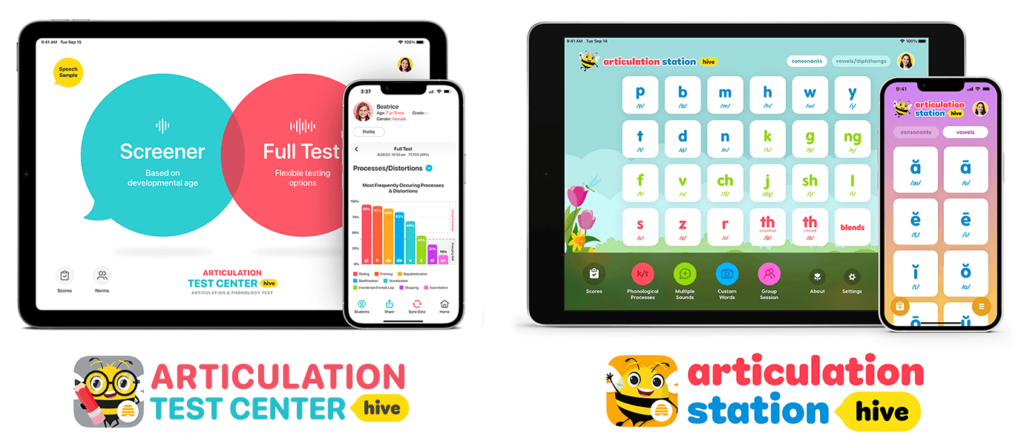
Articulation Test Center Hive and Articulation Station Hive are NO PREP, SLP-designed, evidence-based tools for the assessment and treatment of speech sound disorders. Both tools are included in our Little Bee Hive Membership.
Starting the school year with a burnout prevention plan is crucial. By implementing these strategies, you’ll be better equipped to manage and prevent burnout.
For more tips and insights, check out other posts in our School SLP Series, including:
• Strategies for School SLPs – Caseload and Scheduling
• Strategies for School SLPs – Group Sessions
• Strategies for School SLPs – Managing IEPs.
Little Bee Hive Membership
If you are interested in seeing how our Little Bee Hive Membership can help you focus more on therapy and less on prep and paperwork, try our full range of assessment and therapy tools with a FREE 14-day trial by downloading Articulation Station Hive or Articulation Test Center Hive from the Apple App Store on your iPad or iPhone and signing up.
Group Extended Trial
Groups with 5 or more SLPs (e.g., school districts, clinics) qualify for an extended FREE trial. Just fill out this form to get started!

About Marie: Marie Muratalla is a preschool SLP in southern California. She is passionate about making sure her students enjoy communicating with their families, friends, and teachers. Marie believes in the power of collaboration with IEP teams and wants the parents/caregivers she works with to feel empowered to use speech and language strategies at home with their little ones. When she isn’t running play-based speech therapy sessions or attending IEP meetings, Marie is mentoring fellow SLPs in confidently building and maintaining life-work balance. You can find more about her mindset strategies, Say Thanks More Gratitude Journal, and SLP coaching at thanksmorris.com.
