Strategies for School SLPs: Group Sessions

(Part 2 in our School SLP Series)
Whether you’re a veteran School-Based Speech-Language Pathologist (SLP) or this is your first year, organizing group therapy sessions efficiently is essential for success. Here are some practical tips to get your school year off to a great start when it comes to group therapy sessions.
Before the Session
1. Schedule and Group Students with Intention
Group students by age/grade and goals. Ideally, place kids from the same class together if they have similar goals and needs. This makes scheduling easier because they will have the same schedules to work around (e.g., library time, PE, etc.). If something comes up with that particular teacher’s schedule, it will impact the entire group simultaneously.
See our first post in our School SLP Series, Strategies for School SLPs: Caseload and Scheduling for more details on how to organize your schedule and caseload.
2. Utilize No-Prep and Low-Prep Therapy Tools
As a School SLP, your time is very limited, and you have a lot on your plate. Minimizing planning for therapy sessions can help ease your workload. A good therapy session doesn’t have to involve a lot of prep! Utilize low to no-prep options for therapy.
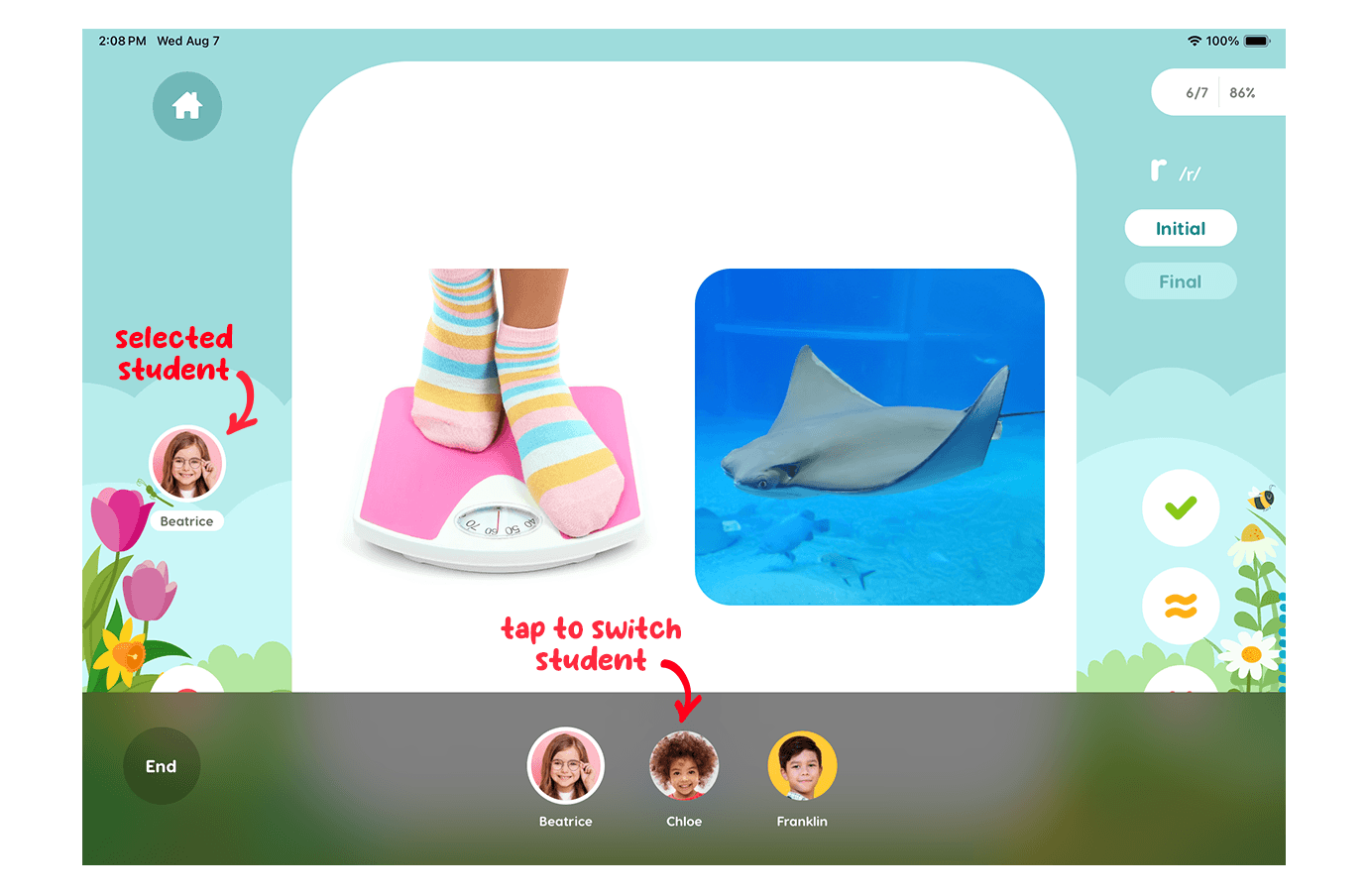
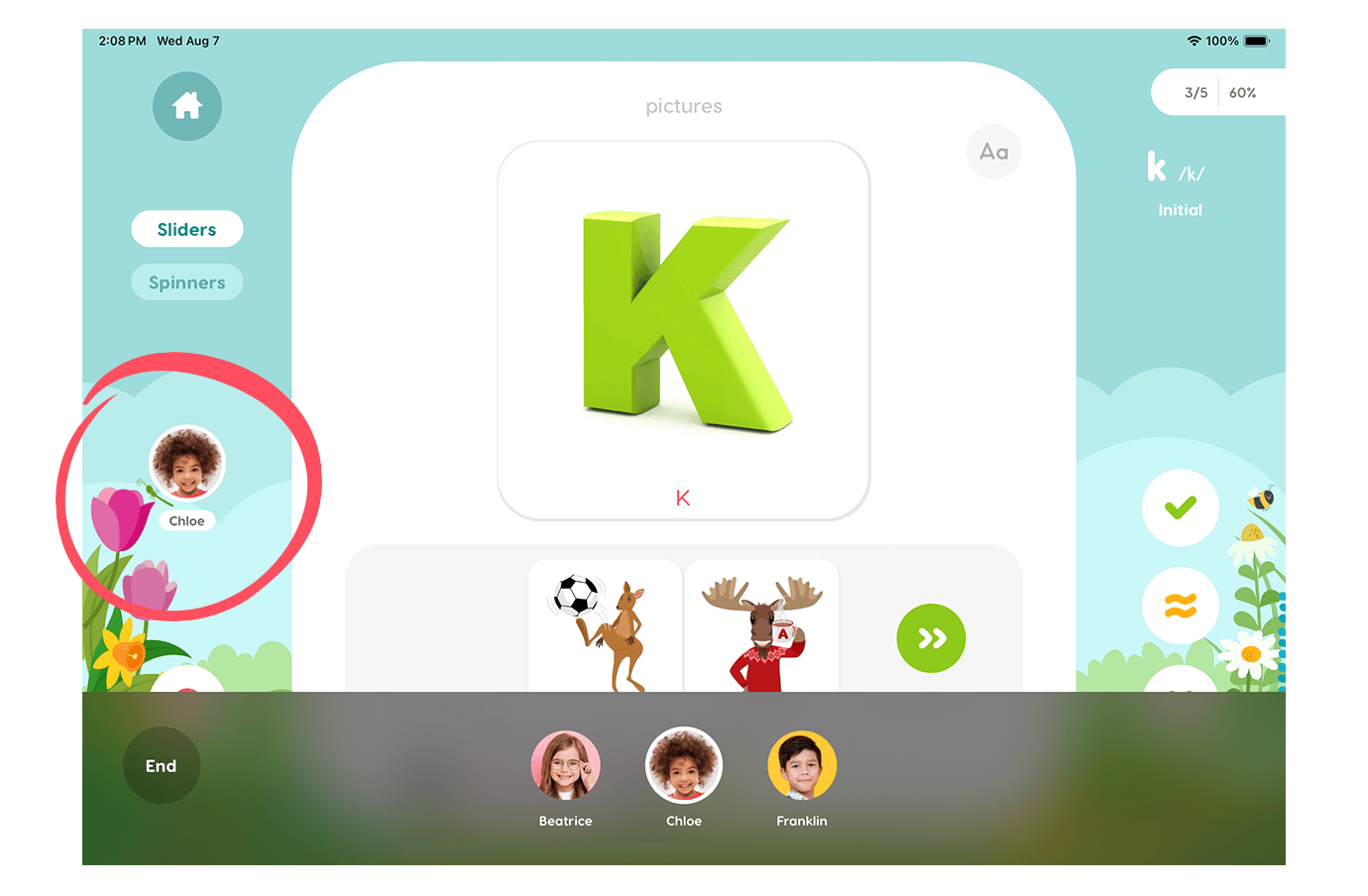
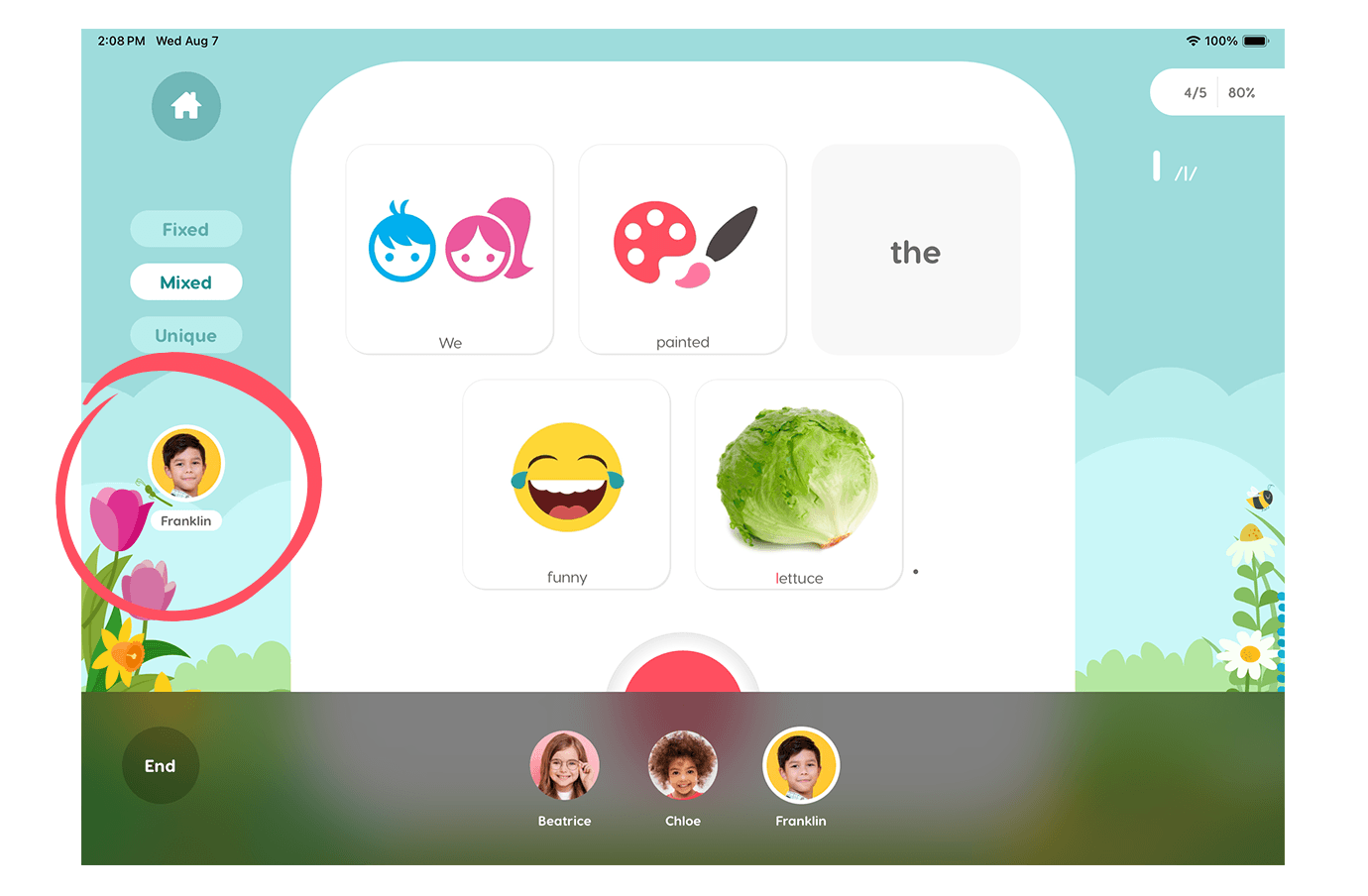
Articulation Station Hive is a great example of a “grab and go” resource. It has everything you need to run engaging and effective individual and group therapy sessions with no prep. For group therapy sessions, you can provide targets individualized to each child’s articulation error or phonological process at whatever level they require (from isolation to conversation) without the burden of juggling multiple decks of cards. Switch between each child’s target quickly and easily with just a few taps!
3. Figure Out the Logistics
• Plan how to get kids out of class and to their therapy sessions efficiently. For younger children like preschoolers or kindergarteners, you may need to pick them up from class to get them to your therapy room, while older children may be able to walk to your therapy room independently.
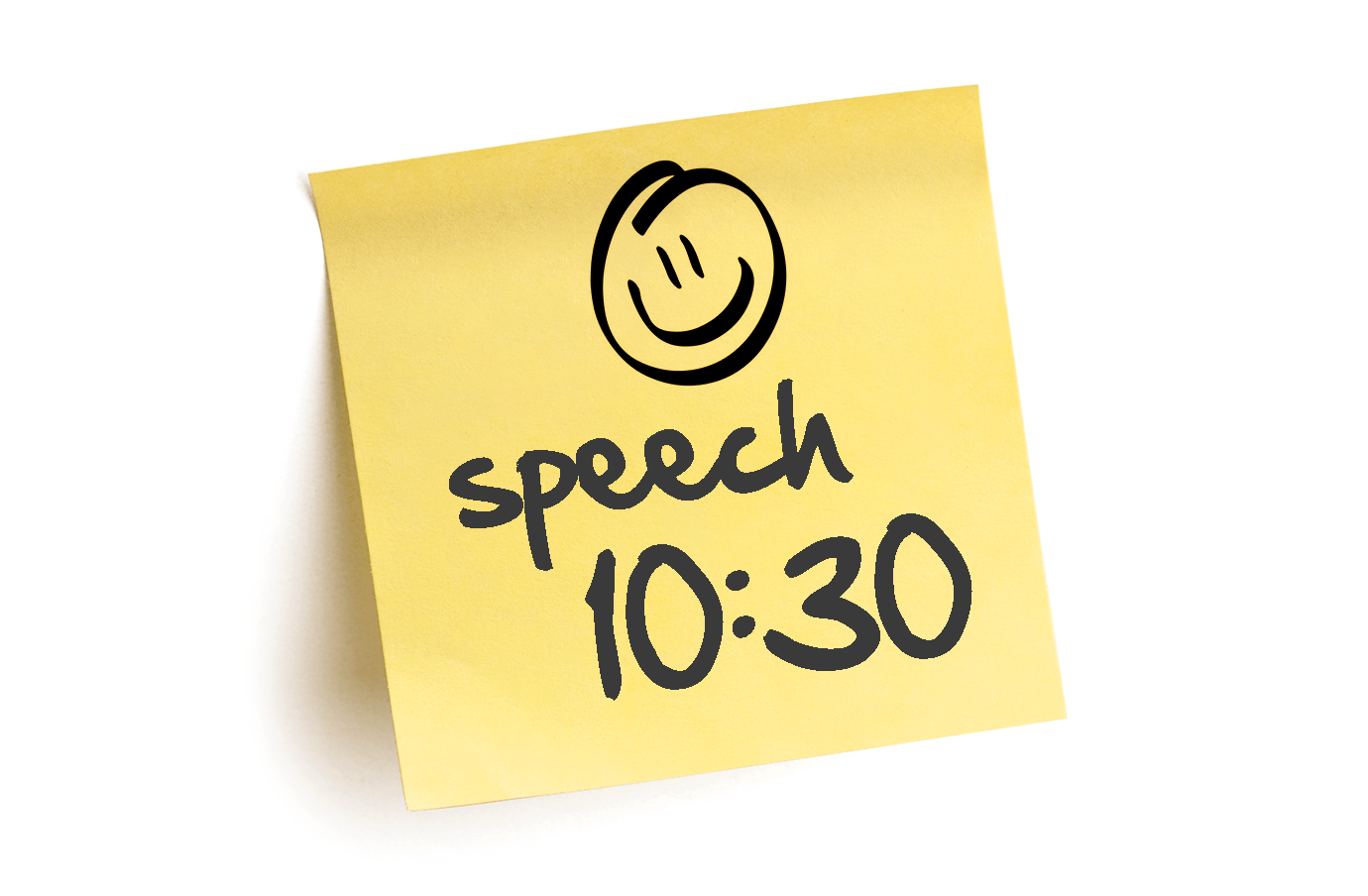
• Ensure both the teacher and students remember the session times. Every teacher has a different strategy for this. They may write the child’s initials and speech time on their whiteboard or provide the child with a post-it note on their desk. Some teachers may require a phone call reminder every time the child needs to come for the session.
During the Session
1. Set the Expectations and Routine
Having a routine and a visual schedule for the session can help keep everyone on task. Knowing what to expect is important as it can help reduce anxiety or unwanted negative behaviors.
2. Manage Behavioral Needs
• Review behavior expectations briefly at the start of every session.
• Be mindful of the dynamics within the group. Some children may have difficulty being in the same group due to their needs or behaviors.
• Have go-to strategies in place for managing behaviors if they escalate in the moment.
3. Keep Everyone Engaged
Use tasks that keep everyone busy while you focus on production strategies with individual children. If you are working with young children, or children with a short attention span we suggest you provide your students with a simple activity to do when it is not their turn.
Some ideas include:
• A simple board game where the child can take their turn after their production tasks
• Sticker or foam crafts where the children receive pieces after every production task/turn
• Coloring sheets with crayons
• Dot marker sheets where the child can make a dot for every production
4. Take Data
Consistent data collection during therapy sessions is crucial for tracking a child’s progress toward their goals. This can be especially challenging in group sessions, where finding the best method can be daunting. Using individual data sheets for each child may seem practical, but managing multiple sheets while eliciting sound production and keeping the group engaged is difficult. A group data sheet simplifies this, but changes in group composition and scheduling throughout the school year can lead to lost data. Additionally, intermingling data sheets in student files poses privacy concerns.
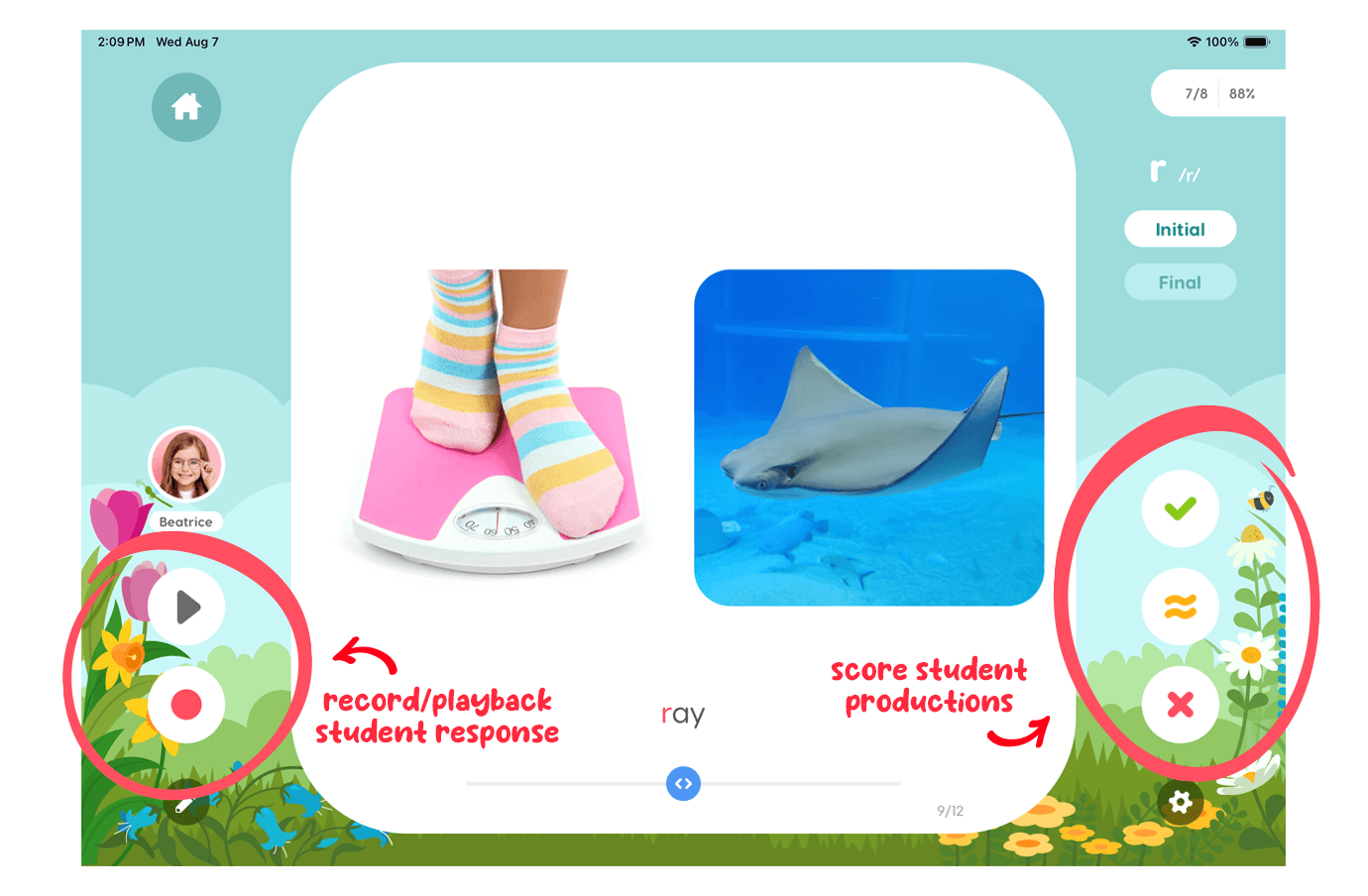
Articulation Station Hive addresses these issues with a simplified, flexible, and streamlined data system. You can mark correct, approximate, and errored productions with a single tap and audio record all the child’s productions. This is just as easy to use for groups as it is for individual sessions. When you’re in group mode, simply tap the child’s name to switch to their individual sound targets and the data you take will be automatically saved to that student’s profile.
After the Session
1. Document and Reflect
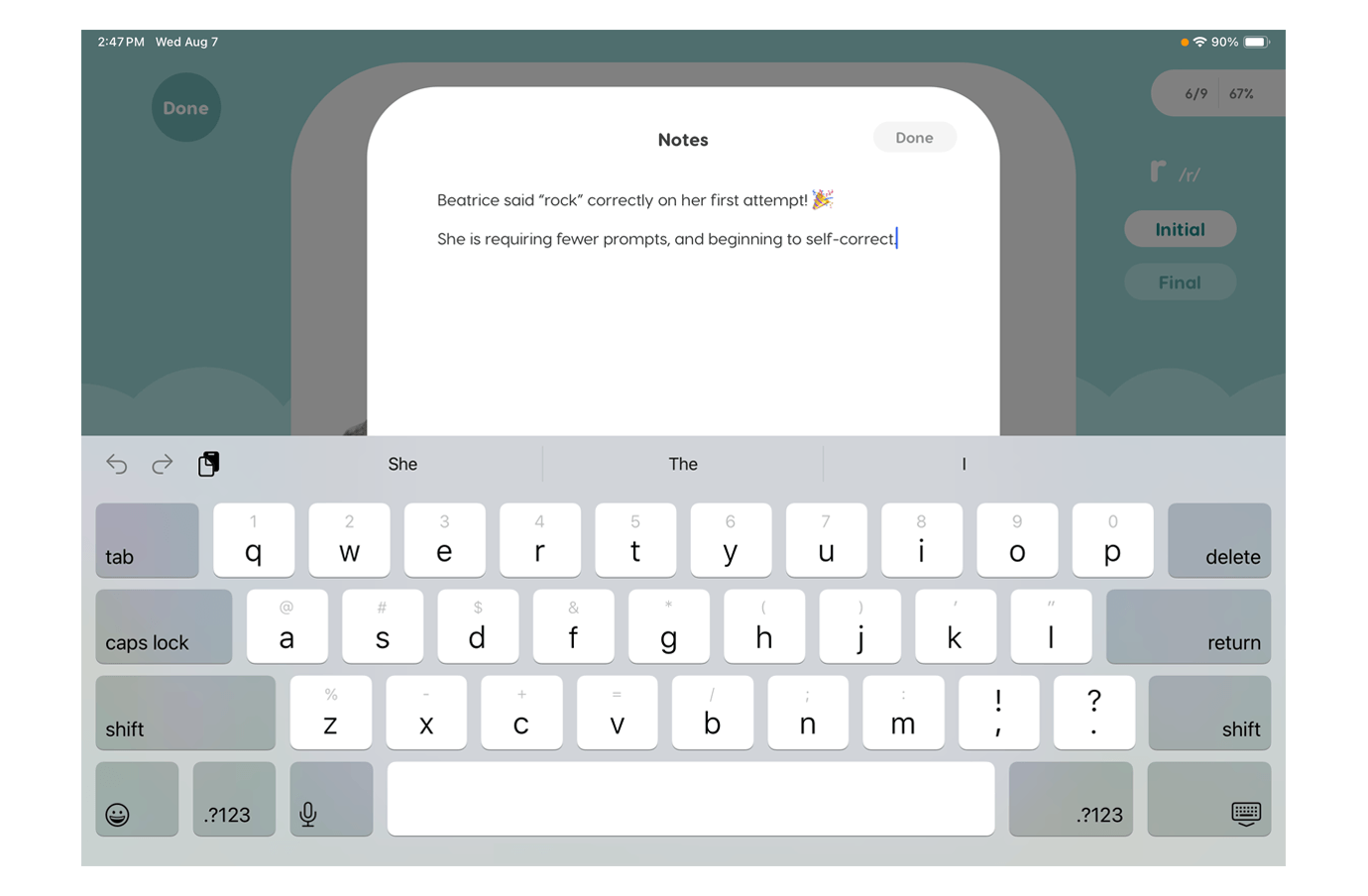
Once the group session is over, take a brief moment to write down any additional observations for each child. What did or didn’t work? How did the child respond? This subjective information is incredibly helpful for planning the next session.
For example, you may note: “Harper responded best to tactile cueing, and the prompts used were faded throughout the session” or “James exhibited difficulty getting his tongue tip to the alveolar ridge but improved when provided with a mirror to see his positioning.”
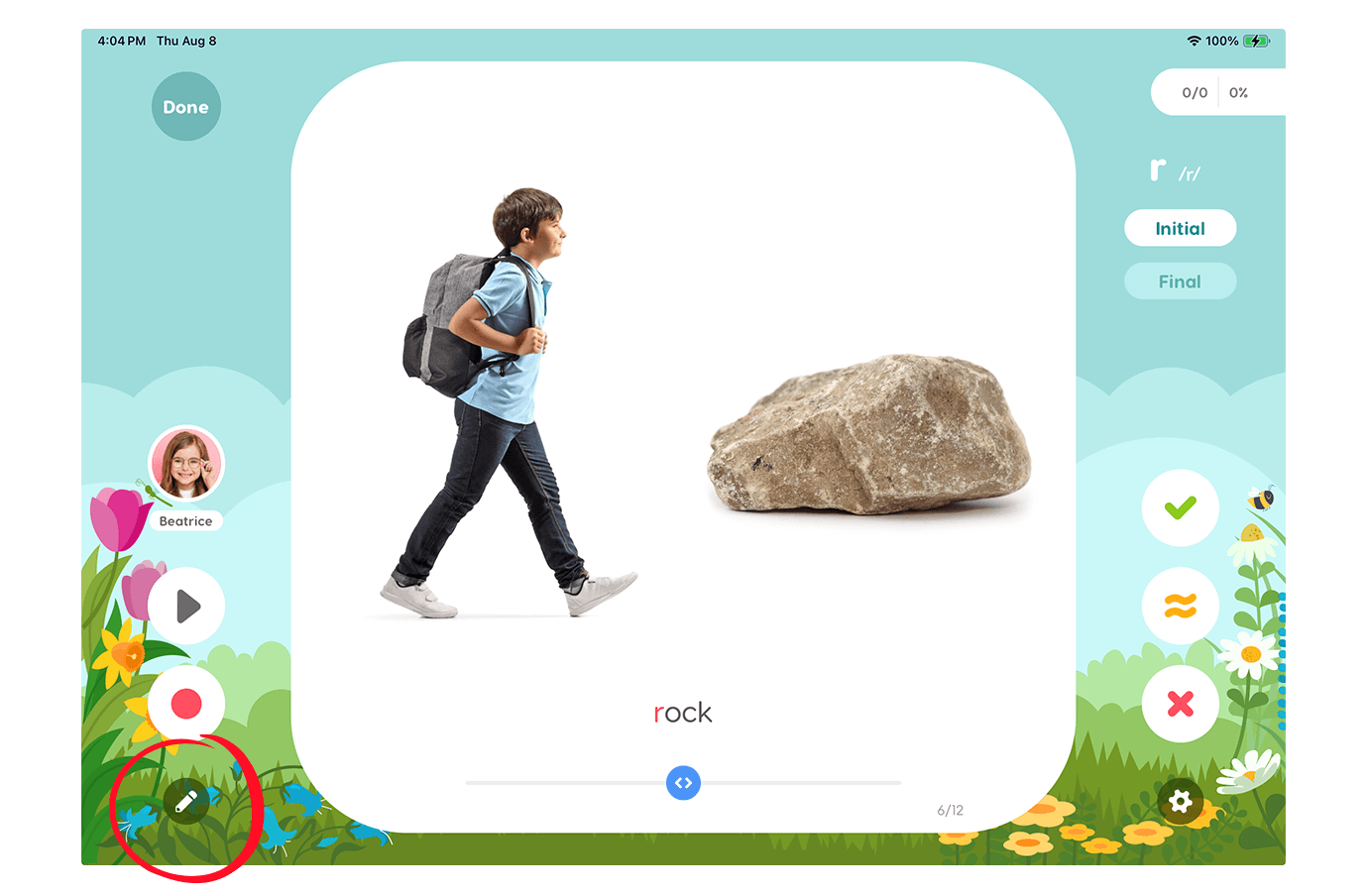
With Articulation Station Hive, you can easily add notes for each child during the session by tapping the pencil icon. Or, you can add notes after the session by selecting their name from the data screen, then selecting the session details, and finally tapping the pencil icon to add notes.
See our previous blog post, Taking Notes in Therapy for more details.
2. Plan for the Next Session
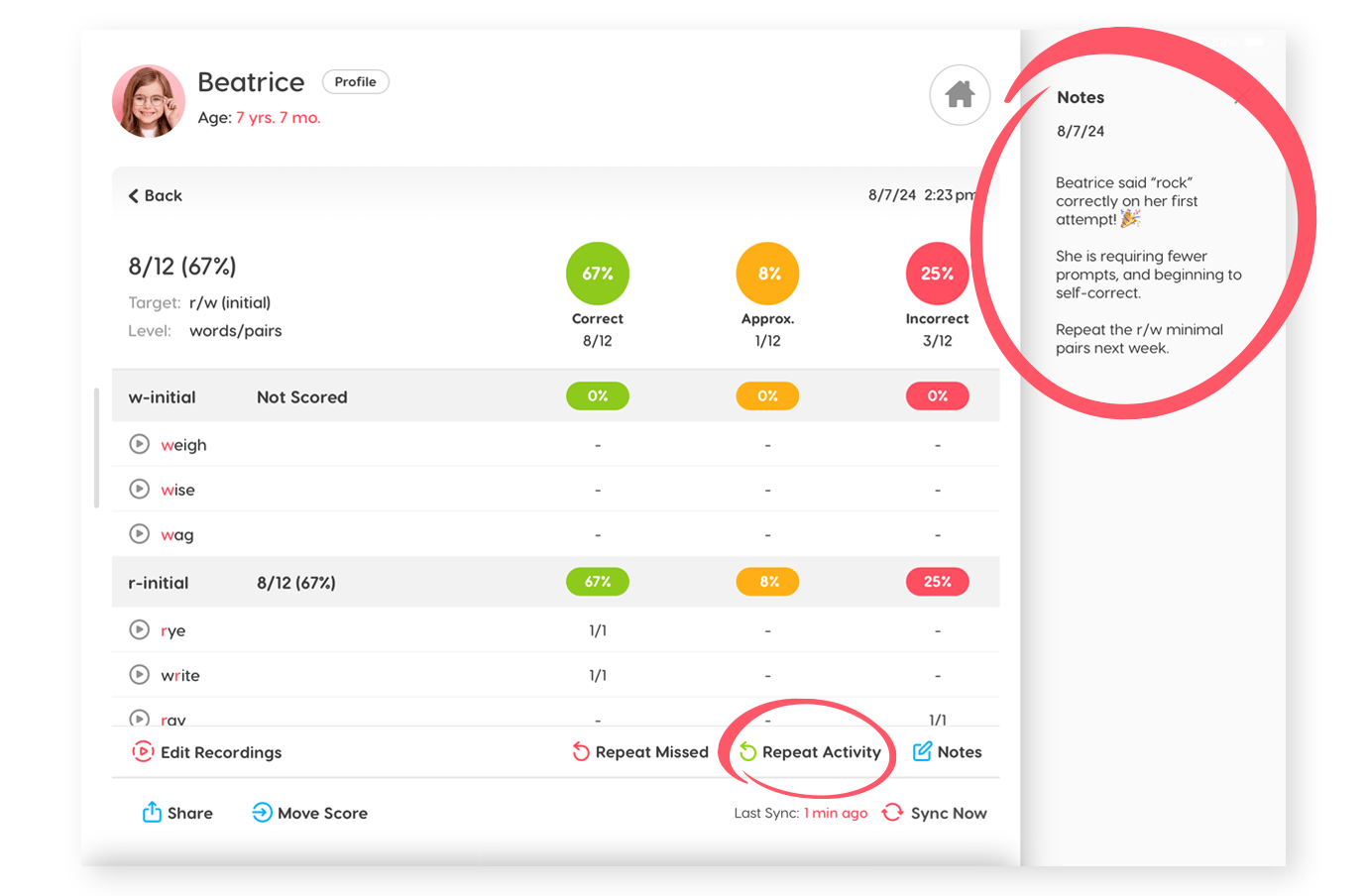
Take a moment to write a brief note about what you want to work on next time you meet, such as: “Practice rotating sentences for s-blends next week.” This will help save you precious prep time before the next session. If a student needs to continue working at the same level next time you can utilize the “repeat activity” feature in Articulation Station Hive, which requires no prep! To do this, open the student’s session results from the previous week and tap, “repeat activity.”
3. Keep your data organized
Have a system for revisiting your data and therapy notes so they can be easily accessed when it comes time for progress reports and IEPs. There’s nothing worse than sitting down to prepare for an upcoming IEP and not having the data to back up the progress that you know is there.
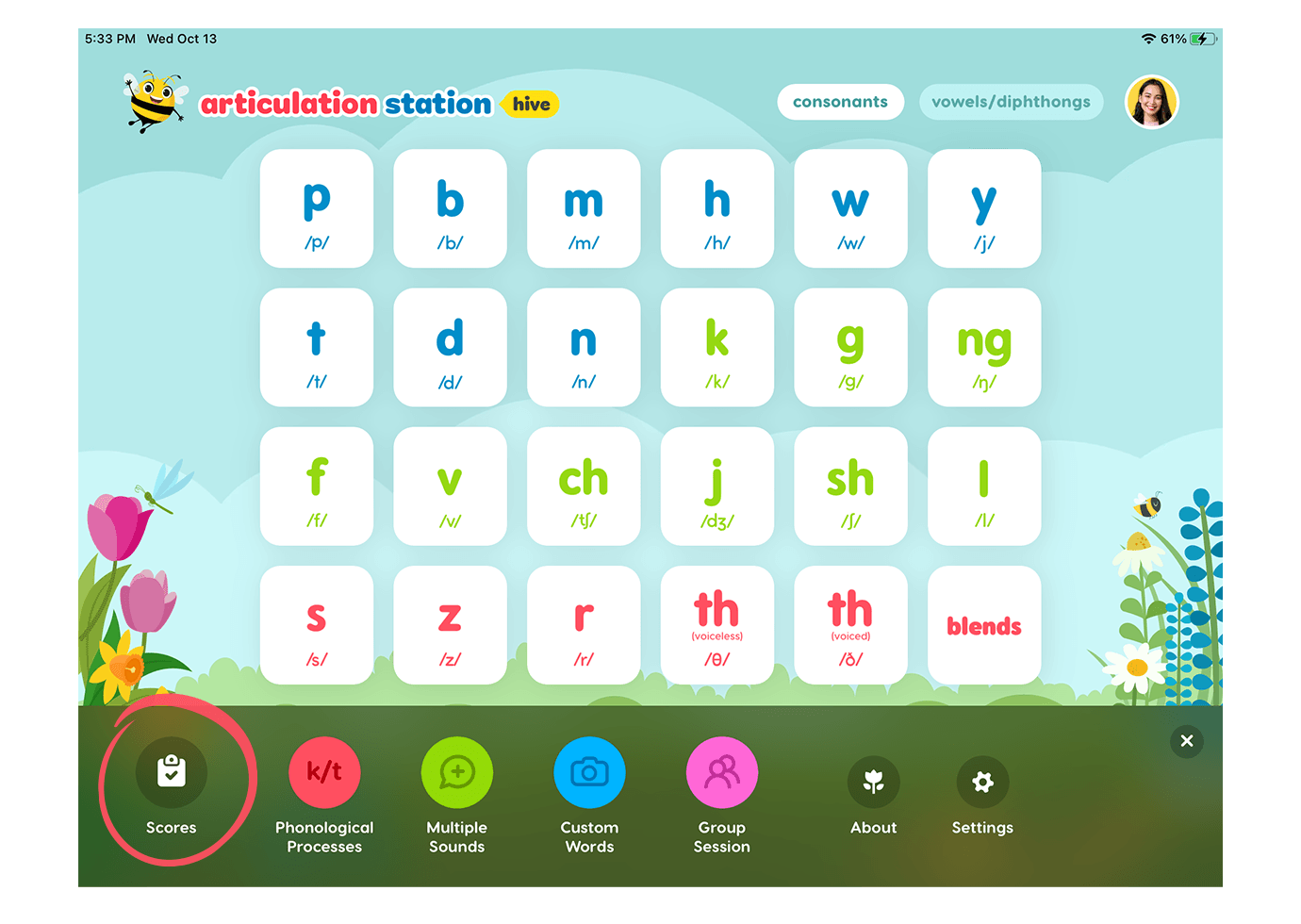
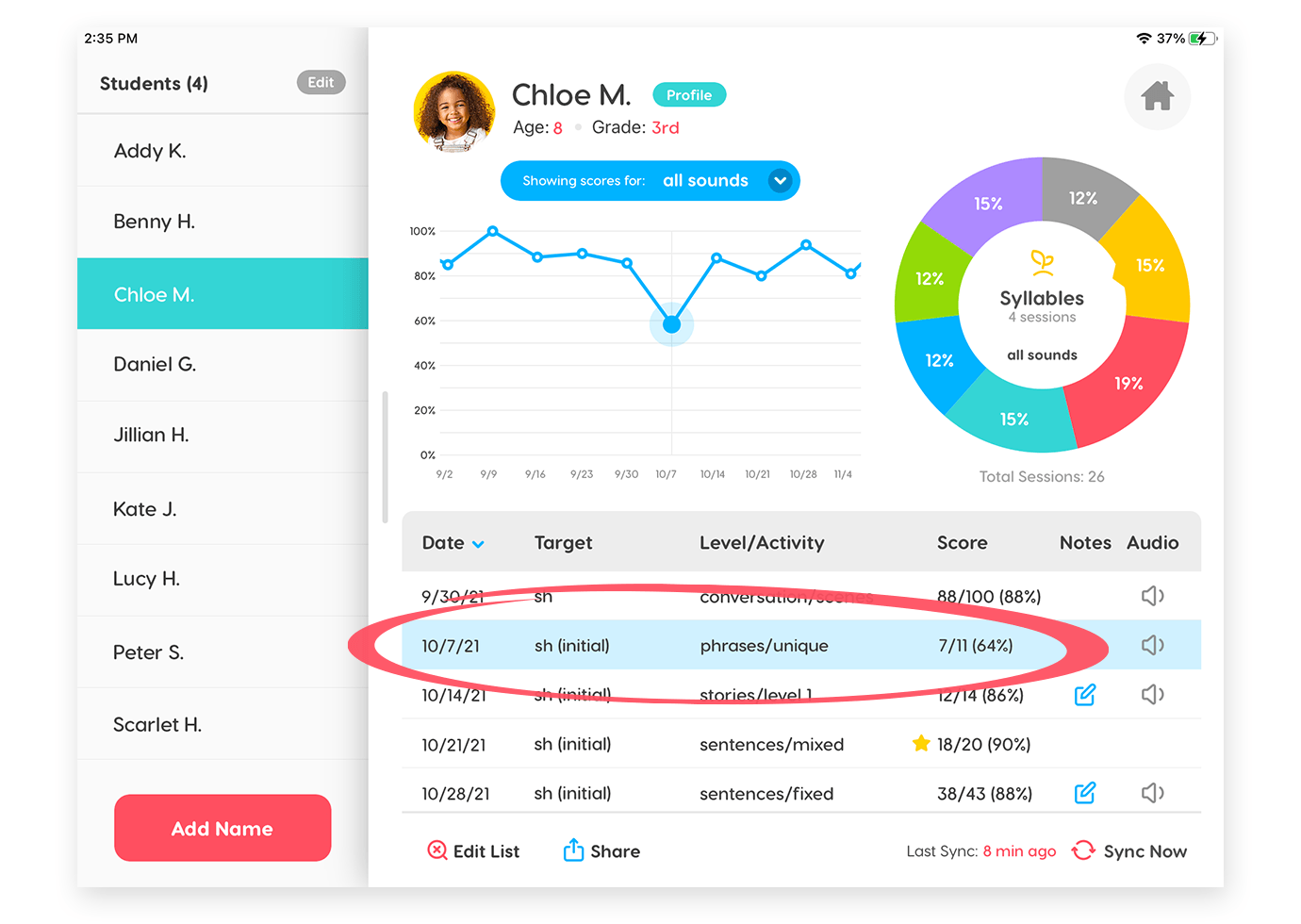
With Articulation Station Hive, you can quickly access all the scores, audio recordings and notes from every therapy session for every child. You’ll never be stressed about finding or having consistent therapy data to show your student’s progress. Simply tap on “scores” from the main menu and find the child’s name. All of their sessions will be safely saved there for you!
4. Openly Communicate
Consistently sharing what is being worked on during therapy sessions with the child’s teacher and parent is important for the generalization of skills and maintaining open communication. This way, you’re not discussing the child’s progress for the first time at their annual IEP meeting.
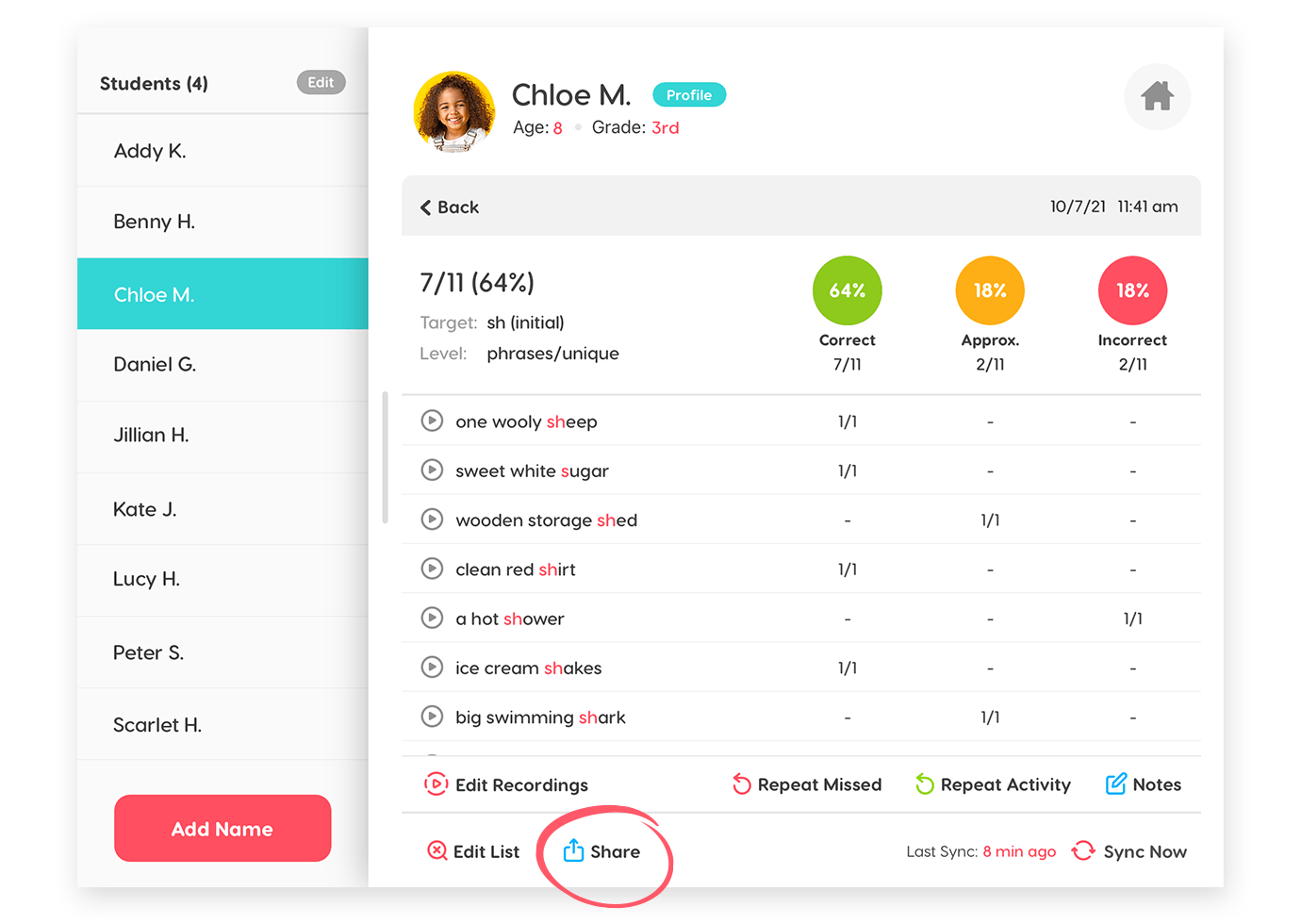
Articulation Station Hive facilitates easy sharing of data with teachers and parents. To share session results go to the scores menu, find the child’s name and choose the session you’d like to share, then tap the “share” button to share via text or email.
Other Considerations
Mixed Group Sessions
Sometimes, you may not have the advantage of having a speech-only therapy group. We have you covered! Our Little Stories Pro app is a comprehensive therapy tool that includes 82 carefully crafted stories that target speech, language and literacy. Depending on the goals of the children in your group, you can use one story throughout the session to target everything from vocabulary and WH concepts to narrative language development and speech sound production.
Adjusting Groups
If your groupings aren’t working, be flexible and consider other options. Don’t stay stuck. Check out our previous posts on Service Delivery for School SLPs and Caseload & Scheduling for School SLPs for more ideas.
Handling Rescheduling
It’s inevitable that sessions will have to be rescheduled due to absences or special school events. If a session is missed because of a school event or student absence, you may not be obligated to make it up (consult your specific district and admin if you have questions). Have a plan for rescheduling, such as adding missed students to another group or having a set window each week for make-up sessions if needed.
Starting the school year with a well-organized approach to group therapy sessions can make a significant difference in your efficiency and the effectiveness of your interventions. By following these strategies, you can create a supportive and productive environment for your students.
If you found these tips helpful, be sure to follow along with our School SLP Series for more tips and insights into school-based speech-language pathology.
Part 3: Strategies for School SLPs: Managing IEPs
Little Bee Hive Membership
The Little Bee Hive (Pro) membership gives you full access to both Articulation Test Center Hive and Articulation Station Hive for assessing and treating speech sound disorders.
Group Extended Trial
Groups with 5 or more SLPs (e.g., school districts, clinics) qualify for an extended FREE trial. Just fill out this form to get started!
