Using Articulation Station Hive at Home

You’ve come to the right place to help your child build clear, confident speech.
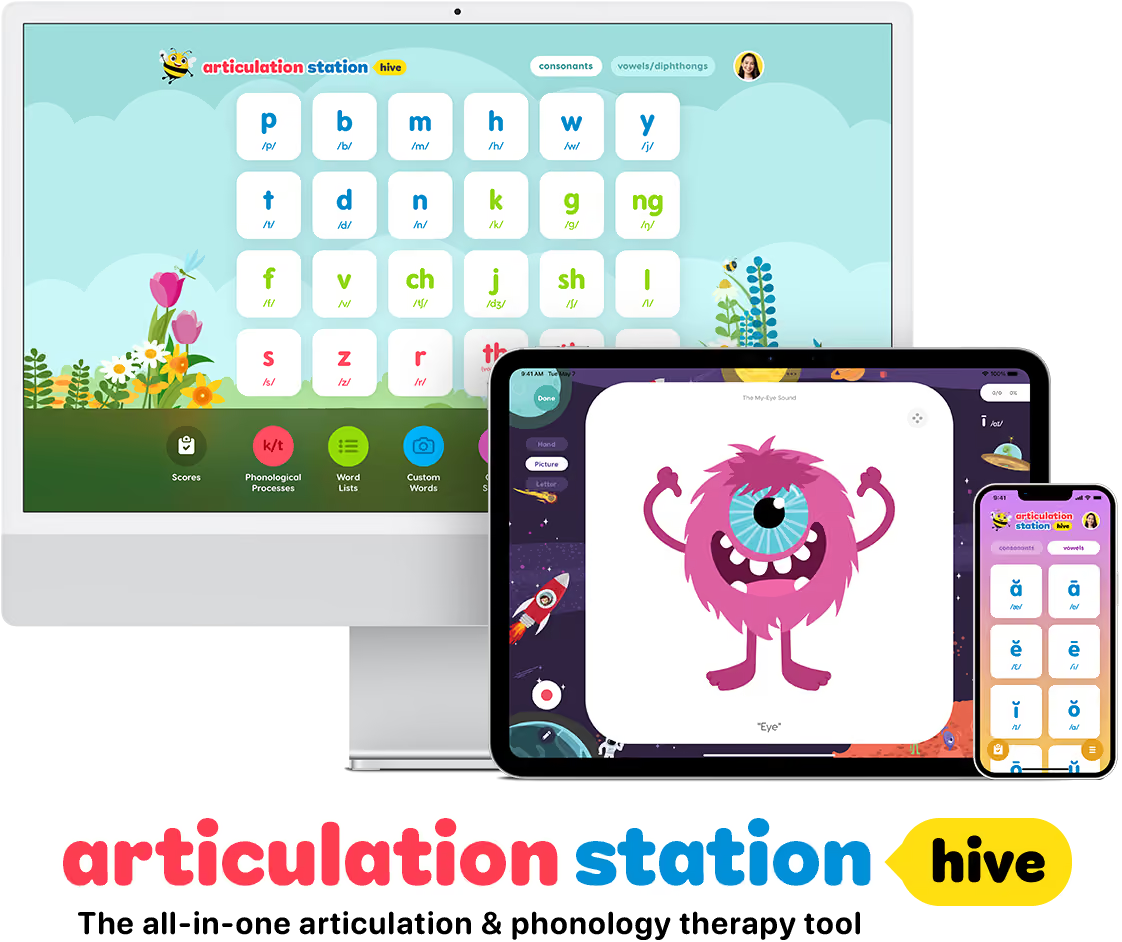
Articulation Station Hive was created by speech-language pathologists (SLPs) to make speech practice engaging, effective, and fun on your iPad, iPhone or silicon Mac.
It’s the leading tool for treating speech sound disorders and built with everything SLPs need, yet simple and intuitive enough for parents to use at home.
When you sign up for a Parent account you’ll get a 14-day free trial of Articulation Station Hive to see how well it works with your child.
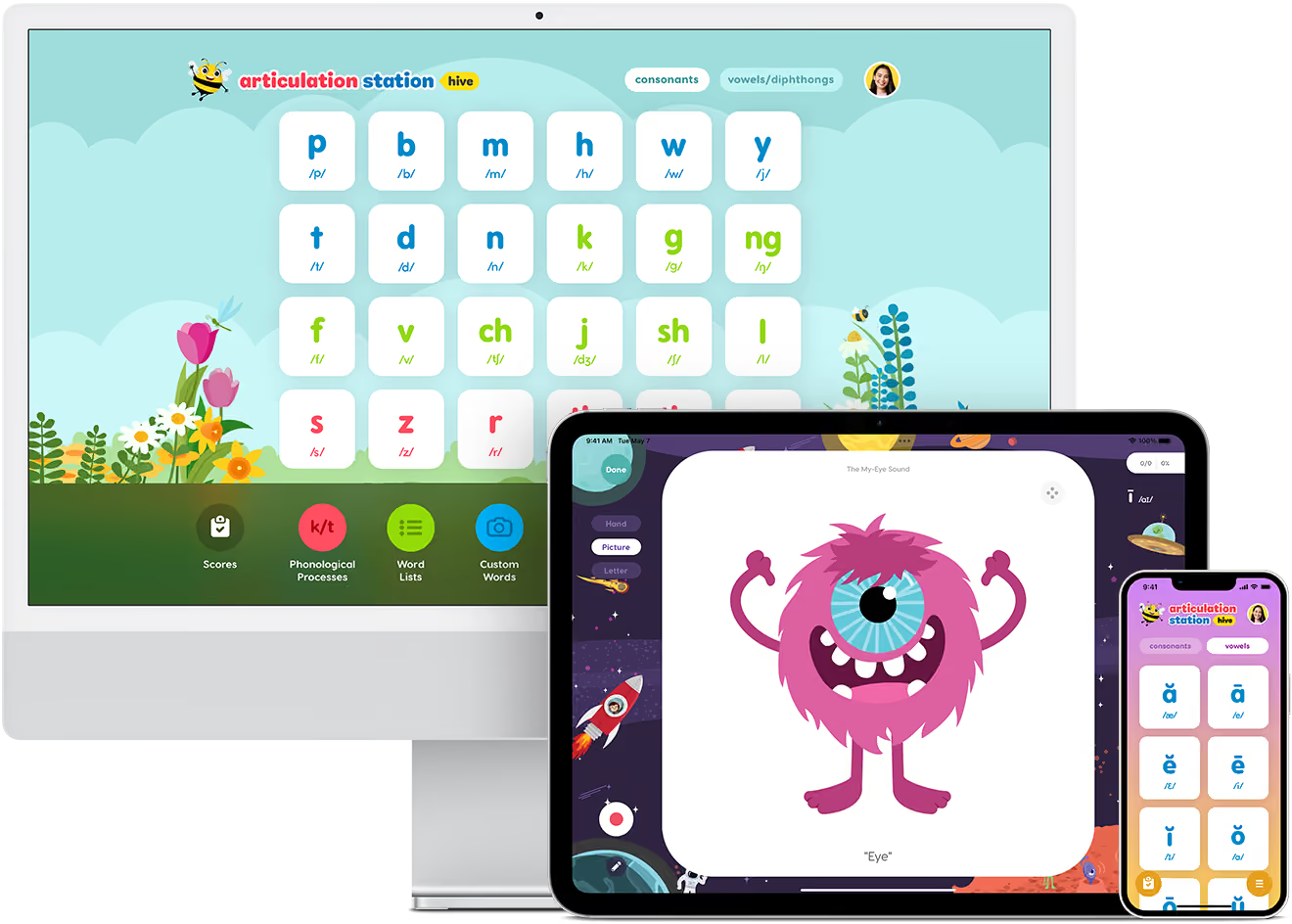
Articulation Station Hive is iOS software for your iPhone, iPad or silicon Mac. After you create your free account online you’ll need to download the app from the App Store and sign in to start your free trial.

Using Articulation Station Hive
The following steps will help you know where to begin practice and how to get started, so you and your child can feel confident right from the start.

Seek Guidance From Your Speech-Language Pathologist
Articulation Station Hive can be used on its own, but it works best when paired with your child’s speech therapy plan. Your SLP can guide you on which sounds to target to make the most of home practice.
Ask your SLP the following:
- Which sound should we practice at home?
- What level of practice do you recommend?
- How often should we practice?
- What kind of feedback should I give?
Regular home practice between sessions helps your child maintain progress, build confidence, and reach their goals more quickly.


Choose a Sound
If your child is working with a speech-language pathologist (SLP), they’ve likely already recommended which sound to practice at home. If so, you will want to follow their guidance.
If you don’t have an SLP, start by making a short list of the sounds your child struggles with. Ask your child to imitate each sound after you. The sounds they can copy correctly are ready to practice. Choose one of those sounds within Articulation Station Hive to begin.

Tip: If your child can’t imitate a sound yet, open that sound program in Articulation Station Hive and read the Quick Tips for ideas on how to teach them to say the sound. When possible, consult an SLP for personalized guidance.


Choose a Level
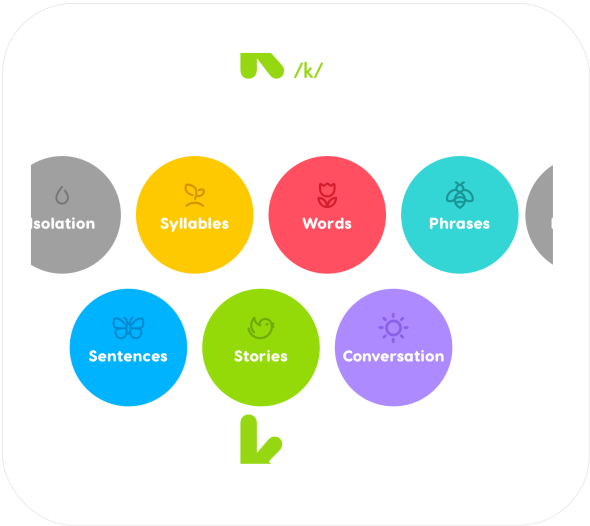
Articulation Station Hive includes seven levels of practice that guide children from learning a new sound to using it naturally in conversation.
If you’re unsure where to begin, start with the Isolation level and move forward as your child builds confidence and accuracy.

For more information about how sounds are practiced at different levels, download our FREE GUIDE.

Choose an Activity
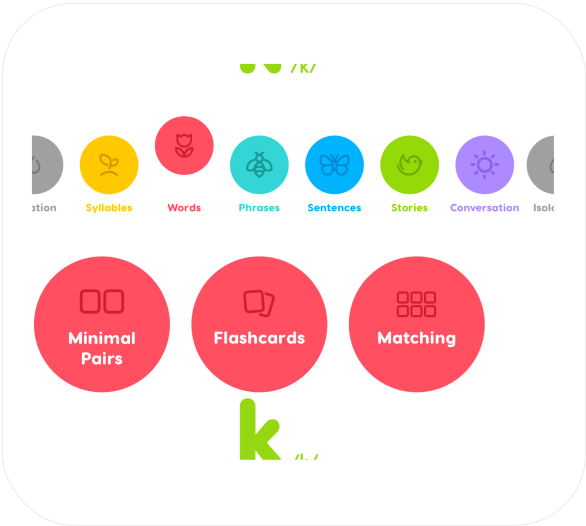
Each level includes a variety of activities you can adjust to your child’s goals, ability, and attention span. Activities gradually increase in difficulty, helping your child build skills step by step.
If you’re unsure where to start, begin with the first activity (as shown left to right) and move forward as your child gains confidence.
Learn more about the activities at each sound level HERE.

Choose a Sound Position
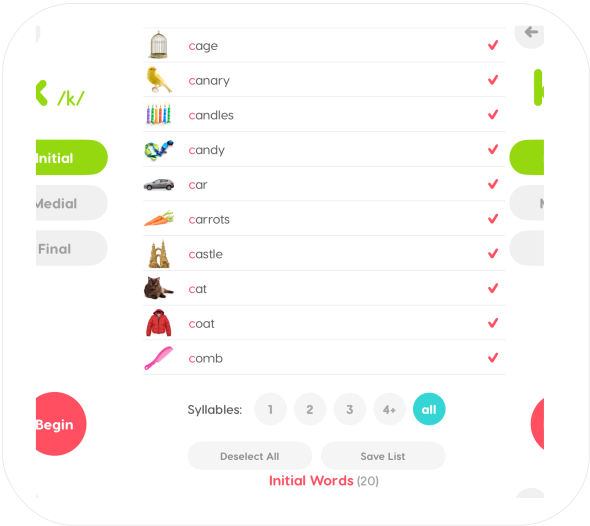
Before starting an activity, you’ll choose which position you want to practice the sound in: initial, medial, or final. Some positions are easier than others. Many children do best starting with initial sounds, while others may find more success with final sounds. Your SLP can recommend the best place to begin.
If you’re practicing without an SLP, have your child try the sound in each position and start where they’re most successful. Once you’ve chosen a position, you’re ready to begin practicing.

Make Practice Effective (and Positive)
Short, consistent practice—just 5 to 10 minutes a day can make a big difference, especially when it includes lots of repetitions. Aim for about 100 practice trials of your child’s target sound each day.
Most of our word lists in Articulation Station Hive include 20 words in each sound position, so practicing each word five times makes it easy to reach your goal of 100 trials in a single session.


Tips for Success
To get the best results from Articulation Station Hive, we recommend keeping these simple tips in mind to make your practice time more supportive and productive for your child.

1. Get the sound right in isolation first
If your child can’t pronounce the sound accurately on its own, pause and ask your SLP for guidance—or try again in a few months. Practicing a sound before your child can say it correctly in isolation can create habits that are harder to change later.

2. Focus on one sound at a time
Ideally, this should be the sound recommended by your SLP but it can also be one your child can already say correctly in isolation.

3. Aim for 80% accuracy at each level
Once your child can say their target sound correctly about 8 out of 10 times at a level, it’s time to move forward. Mastery at each step builds a strong foundation for success.

4. Record and review
Use the record and play buttons to record and review how each word was said. Then, help your child decide if it was correct or needs more practice.

5. Praise precision
Give specific praise when your child says the sound correctly, and gently guide them when the sound is not quite right.

6. Score together
Use the scoring buttons to track progress. Scoring helps your child become more aware of their speech and stay motivated as they see their scores improve.

7. Share progress
Email recordings and scores to your SLP for feedback, guidance, and to celebrate your child’s success.

8. Practice in everyday moments
Along with daily structured practice, look for natural opportunities to reinforce what you’ve been working on. Focus on using target sounds during playtime, mealtime, or reading together. The more your child practices speaking clearly in real-life situations, the more confident and natural their speech becomes.

Progress happens one step at a time. Celebrate small wins. You’re building clarity, confidence, and communication skills along the way.

Your support plays a powerful role in your child’s progress and can make a meaningful difference in how confidently and clearly they learn to communicate.
Research shows that children who practice consistently, especially with a parent’s support, make faster, stronger gains in both clarity and confidence. With time and consistency, you’ll see your child’s confidence and their clear, happy speech grow day by day.