Multimodal Cueing For Speech Sound Disorders
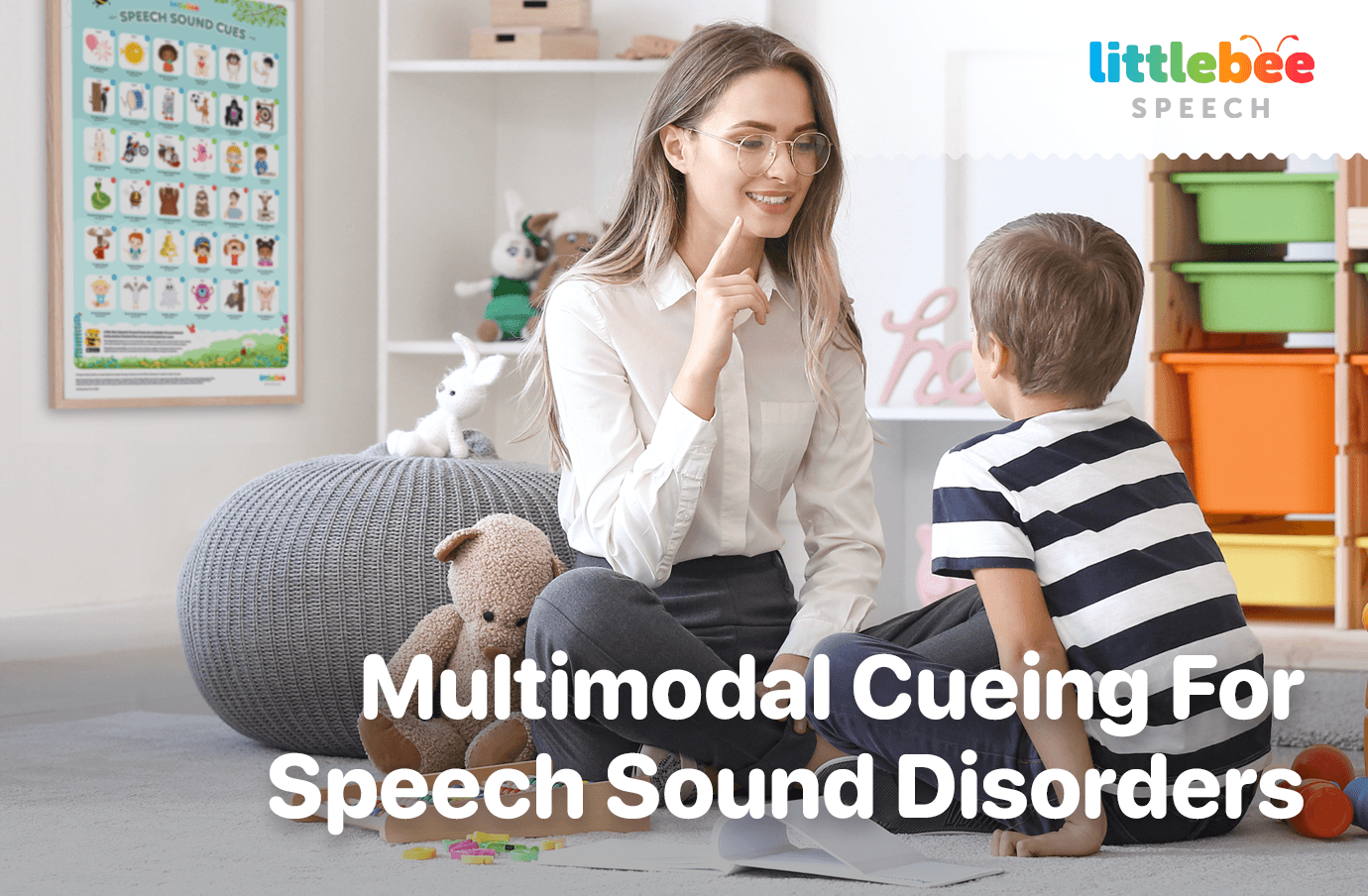
As SLPs, we pride ourselves on our ability to scaffold in order to best support the children we work with. We facilitate learning by meeting the child where they’re at, providing support and then gradually withdrawing that support until the child can perform the task independently. This is based on Vgotsky’s Zone of Proximal Development. One of the most significant ways we scaffold and support a child’s progress with speech sound disorders is through multimodal cueing.
Multimodal cues are cues that involve more than one learning modality. Cues can be visual or verbal, gestural or tactile, letter cues or metacognitive cues. The cues are often used in combination with each other and depend on the child’s unique needs.
We’ve all experienced those magical moments in therapy when the appropriate support results in a child connecting all the dots and successfully producing their target sound. Not only does our clinical experience show us that it works… research supports the use of multimodal cueing too! Research has shown that multimodal cueing offers several benefits in speech therapy for young children. When we provide children with multimodal cues, it increases their awareness and improves their production of targeted speech sounds.

Benefits of multimodal cueing:
1. Enhances sensory feedback, providing children with a clearer understanding of how to produce specific speech sounds:
When visual cues such as pictures or videos are provided, it offers a visual reference for correct articulatory placement. Familiarity with picture representations and discussion of how sounds are produced also act as metacognitive cues for children. Tactile cues, such as hand movements or touch cues, provide physical guidance for correct articulation. Letter cues allow the child to associate speech sounds with corresponding letters to reinforce phonemic awareness and literacy skills.
2. Accommodates diverse learning styles and preferences:
While some children may respond better to visual cues, others may benefit more from tactile or auditory cues. By offering a variety of cues, therapists can tailor interventions to suit individual needs, maximizing the effectiveness of therapy sessions.
3. Promotes generalization of skills beyond the therapy setting:
By engaging multiple sensory modalities, children develop a more robust understanding of speech sounds, facilitating transfer of learned skills to real-life communication situations. Bonus- if the child’s caregivers are provided with guidance on the cues used in therapy, they can also support that carryover at home!
You may be wondering where to start. You may already be providing these types of cues during therapy but it may be hard to quantify what you’re doing or you may be finding it difficult to provide the same cueing across sessions. Thankfully, our comprehensive therapy app, Articulation Station Hive, has you covered.
Articulation Station Hive has built-in multimodal cues for every consonant and vowel sound, including:
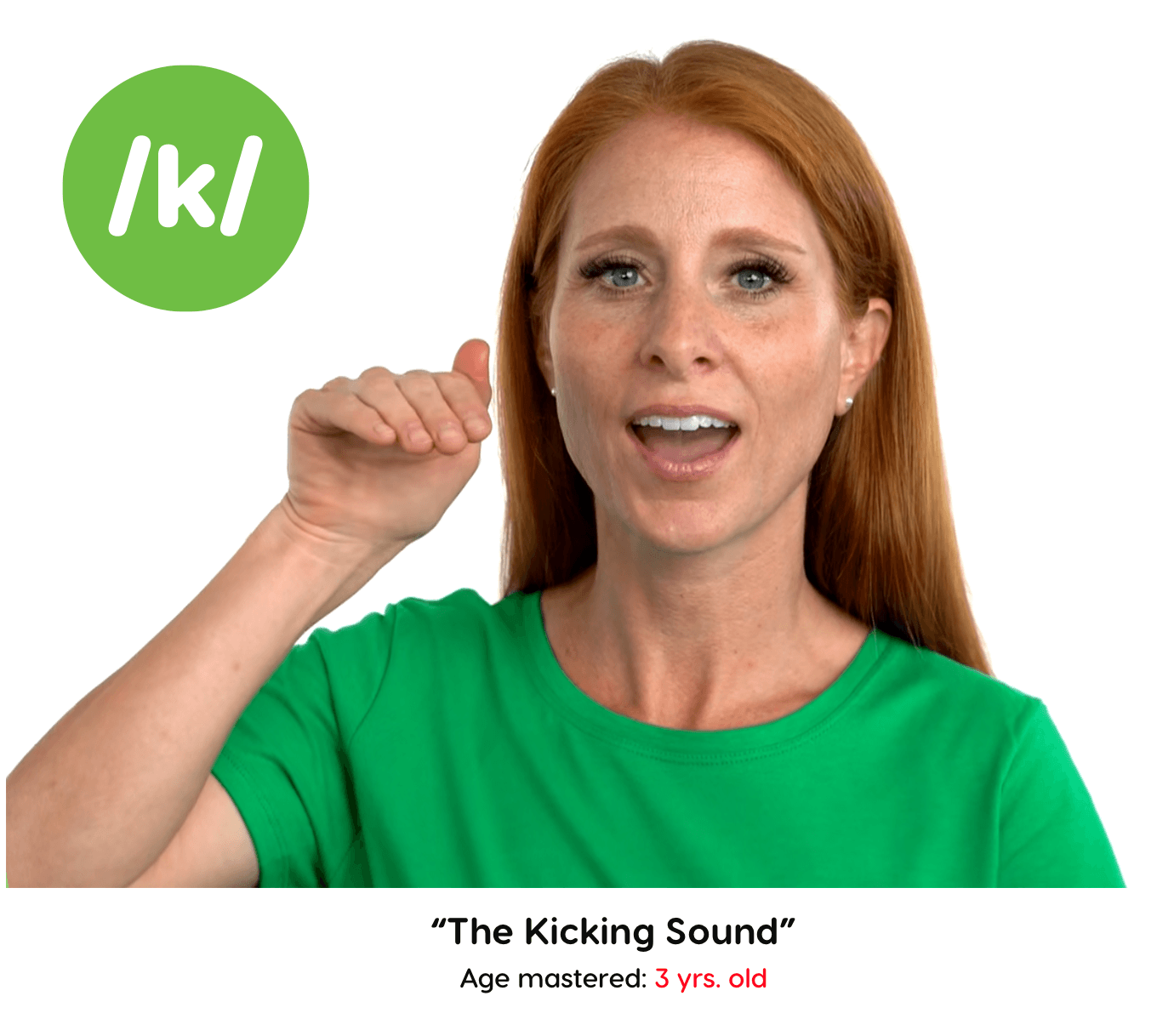
Tactile/Hand Cues: Physical prompts and gestures are provided for every sound to guide correct articulatory movements. For example, the hand cue for /k/ shows a flat hand next to the mouth- the hand pulls backward as the sound is produced to indicate tongue positioning needed for sound production.
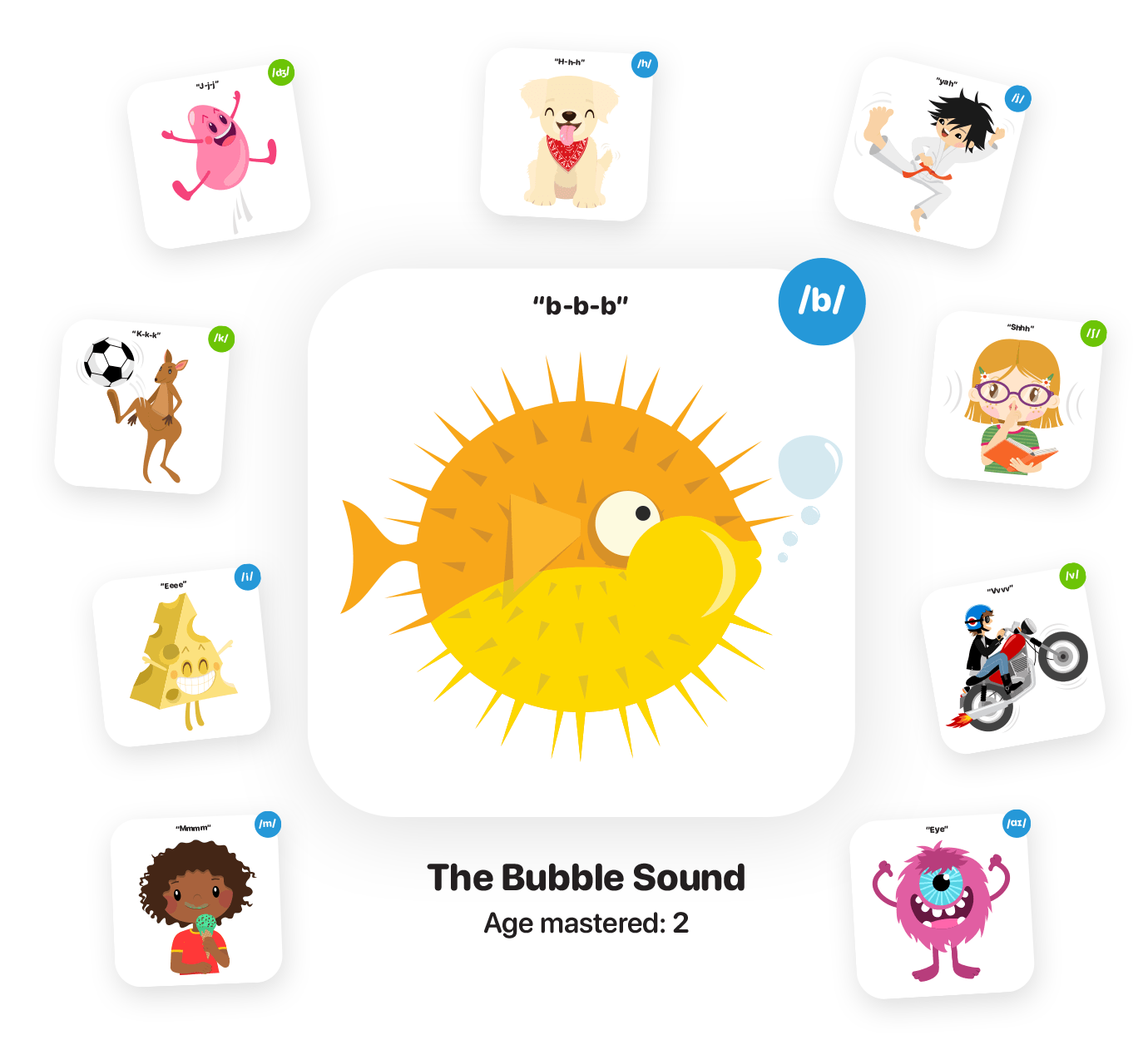
Picture Cues: Visual, interactive and kid-friendly representations are available as tools and within activities. These picture cues for each phoneme aid in articulatory placement and sound discrimination. For example, the picture cue for the phoneme /b/, The Bubble Sound, is an illustration of a blowfish holding and then blowing bubbles.
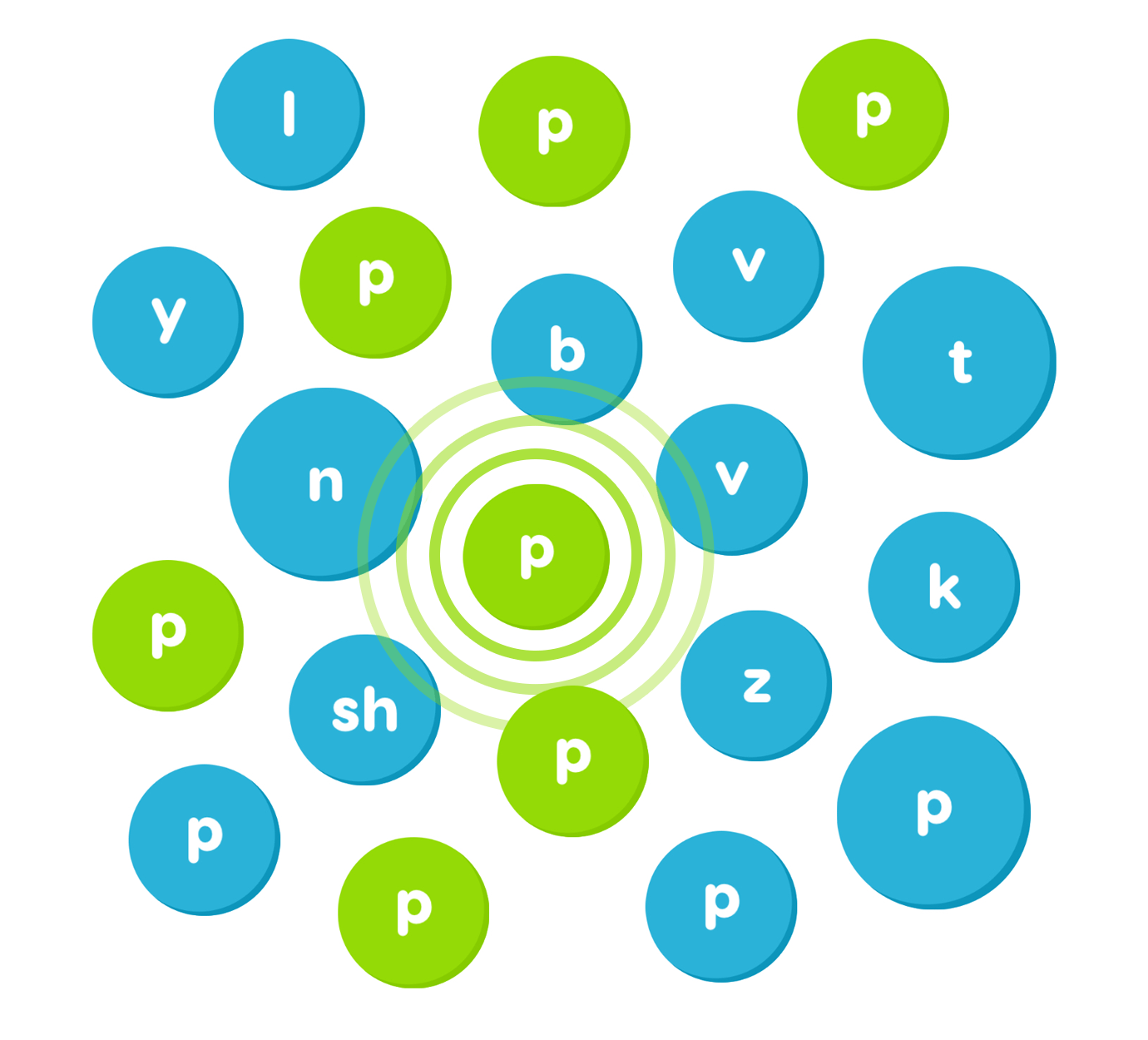
Letter Cues: Associating speech sounds with corresponding letters to reinforce phonemic awareness and literacy skills. For example, a child working on the phoneme /p/ will be provided with the letter “p” to tap and find.
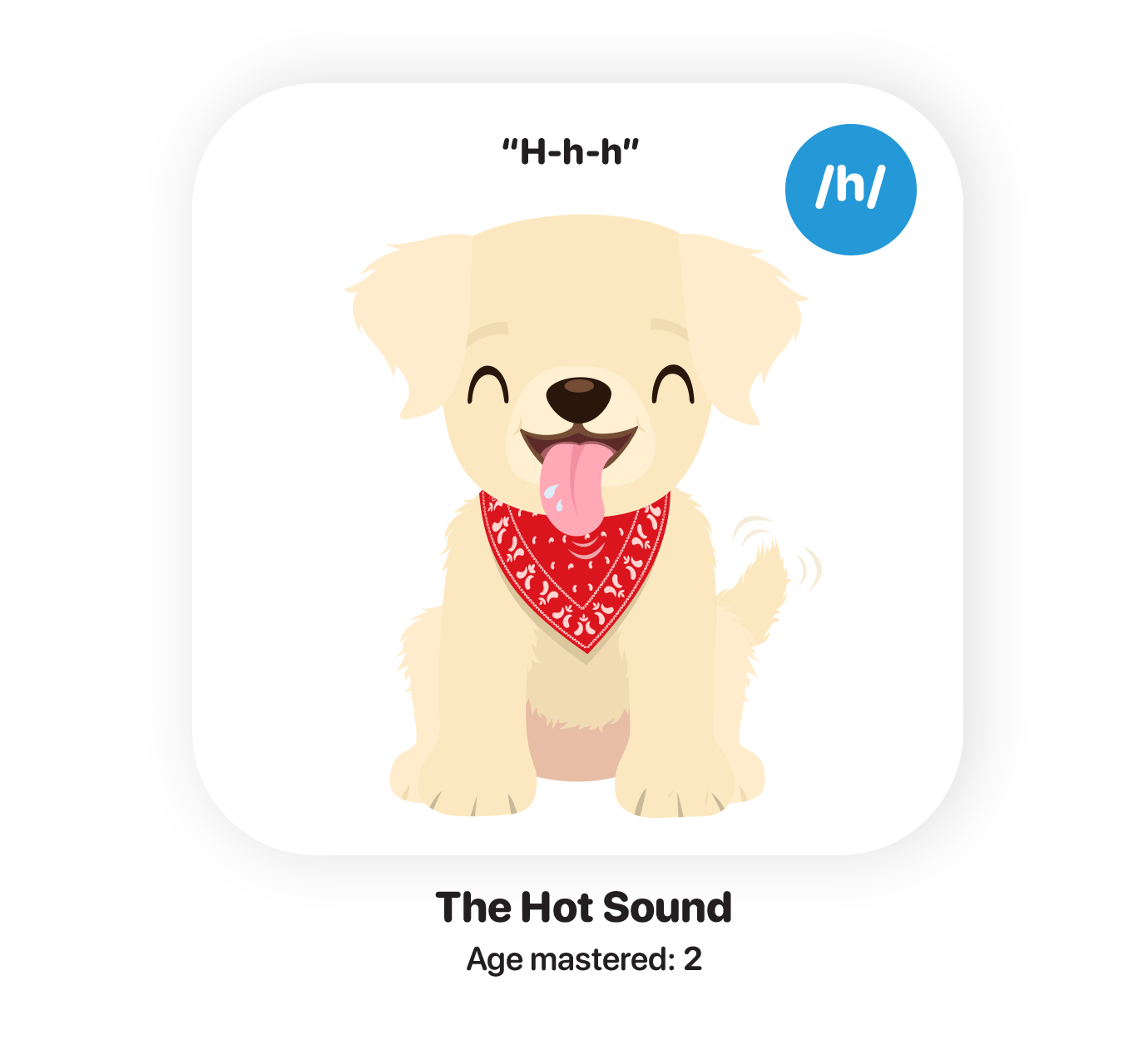
Metacognitive Cues: Detailed descriptions for how to produce each sound as well as names for each phoneme act as cognitive reference points, which enhance self-awareness and monitoring of speech production. For example, when working on /h/ with a child, you can simply say, “That’s the hot sound” and the child will be cued to their reference of the picture cue for Hot Hobbes, the panting puppy, who represents the /h/ phoneme.
By integrating multimodal cues seamlessly into therapy sessions, the children you work with will receive evidence-based support, tailored to their individual needs.
If you’re looking for a way to provide multimodal cueing without all the prep, then Articulation Station Hive is what you need. With built-in multimodal cues for every consonant and vowel sound at your fingertips you’ll be set up for success when working on these sounds in isolation.
Little Bee Hive Membership
The Little Bee Hive (Pro) membership gives you full access to both Articulation Test Center Hive and Articulation Station Hive.
Little Bee Hive Free Trial
You can try Articulation Station Hive and Articulation Test Center Hive FREE for 14 days by downloading them from the Apple App Store on your iPad or iPhone and signing up.
Group Extended Trial
Groups with 5 or more SLPs (e.g., school districts, clinics) qualify for an extended FREE trial. Just fill out this form to get started!
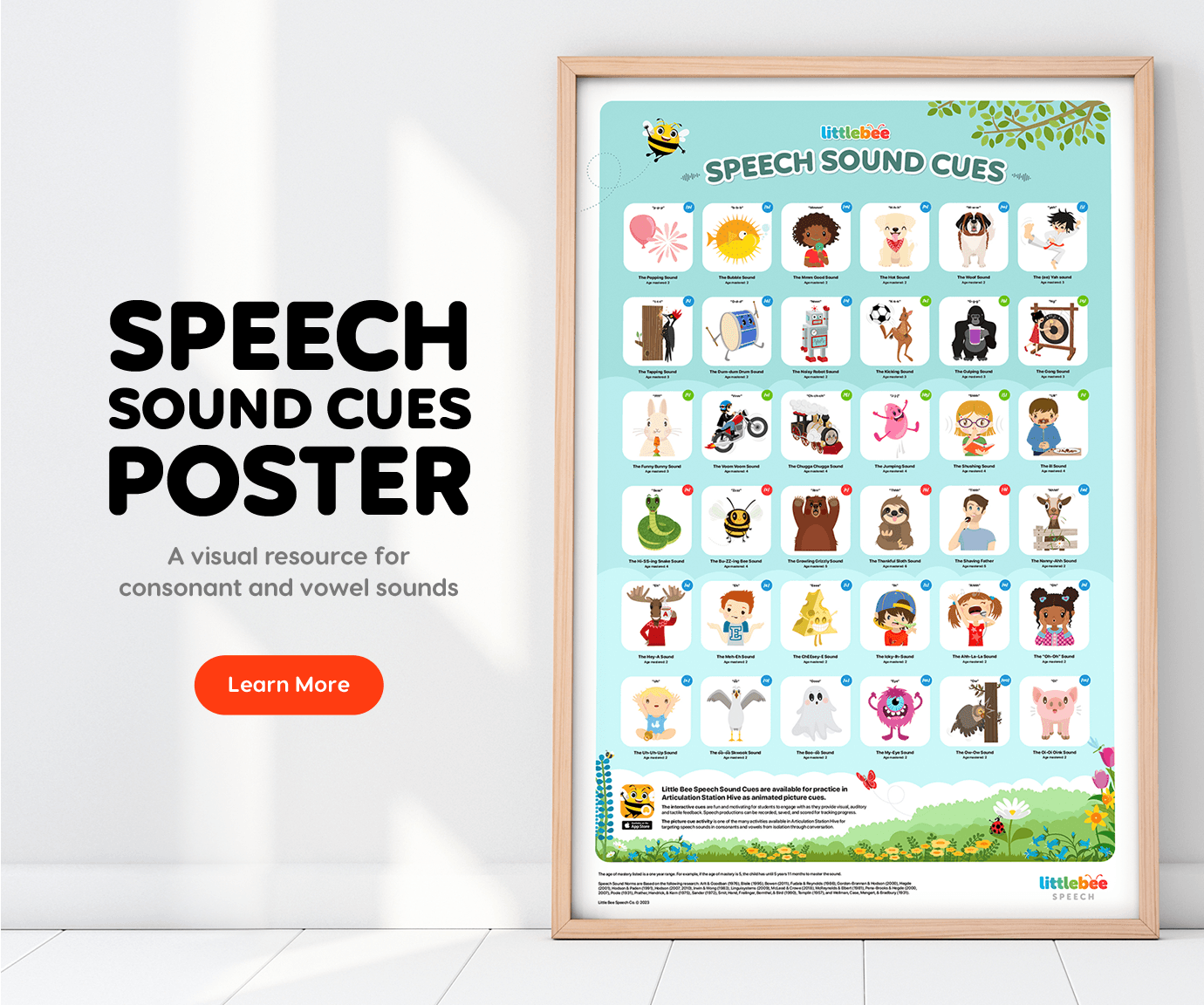
Speech Sound Cues Poster
And… don’t forget to check out our Speech Sound Cues Poster… This amazing resource is a FREE download!
This FREE poster (Digital PDF/JPG Download) showcases the 36 picture cues from Articulation Station Hive. Every adorable sound cue also includes the name of the cue and the age of mastery for each sound.
To download this poster, click HERE or on the image below.