Partnering with Parents in Therapy

We’re excited to kick off our new collaborative expert series #slpwithme where we will team up with other SLPs in our field to bring you expert advice on different topics SLPs are presented with everyday. We’re proud to start this series with Chelsea Swopes from Play Talk Love who will be sharing thoughts and suggestions on how to work with parents during therapy.
Partnering with Parents in Therapy
Parents and Speech-Language Pathologists have the same ultimate goal- to support the child’s ability to grow and thrive, in the therapy room and beyond. So, it isn’t surprising that research studies have shown that when parents and SLPs work together, children make significantly more progress towards their therapy goals.
However, we know it isn’t something that happens automatically. Both SLPs and parents bring their own perspectives (and sometimes biases) into these therapeutic relationships… so having a successful and collaborative partnership has to be intentional, on both ends.
Parent perspective
Parents are often entering the therapy process with a lot on their mind. They may be navigating a new diagnosis or they may have had negative experiences with other therapists or evaluators. Parents may feel overwhelmed. They may be unsure what their child needs and how to best support them.
SLP Perspective
Very often, SLPs have a lot on their plate, regardless of the setting they work in. They have systems they’ve put in place to manage their workload and often stick to those systems, but they may not be the most conducive to collaboration. Although SLPs of course see and know the value in partnering with parents, it often can be difficult to truly implement.
How to foster a successful partnership?
We’ve put together a list of practical ways for both parents and SLPs to foster a successful and collaborative partnership to improve therapeutic outcomes:
As a parent, when therapy begins:
1. Share your concerns about your child’s communication skills.
What do you see impacting them the most? What do you hope to see as a result of therapy?
2. Provide information & documents.
Give the SLP any previous reports or documents related to your child’s needs and services.
3. Ask for information about the SLP’s experience and therapy approach.
What areas do they specialize in and how much experience do they have working with other children who present with needs similar to your child’s? What is their philosophy and therapy approach? What do their therapy sessions typically look like?
4. Share information about your child’s preferences to set the SLP (and your child) up for success.
What are they motivated by? When do you see them most engaged? From your perspective, what do you think would make therapy sessions successful?
5. Ask all the questions!
SLPs want you to ask questions. There are no silly questions!
6. Express your interest in being involved and carrying over tasks at home.
Parent involvement in sessions may vary depending on the setting, but it can’t hurt to ask how you can be involved and how to best support the carryover of the targeted skills at home.
7. If something isn’t working- talk about it.
You are your child’s best advocate. If something isn’t working, get clarification from the SLP and if needed, ask for changes.
As an SLP, when a therapy relationship begins with a child & family:
1. Include the parent from the start by asking for their input.
What do they see as their child’s strengths and needs? What differences do they hope to see as their child progresses? Gathering this information helps parents feel like they are a part of the process and can help you as the SLP understand the child’s needs from their perspective.
2. Explain what therapy will look like and why.
This is important to building authority and trust as well as helping parents see why you’re doing what you’re doing. It helps make them a partner in the process. This also includes setting expectations of progress and how communication with you will look.
For example, when reviewing the child’s goals, you’ll discuss what the goals are, how they will be measured and when you may expect each goal to be met. You’ll share specific ways you’ll target this goal in therapy and why.
3. Involve the parent in therapy sessions and have open communication.
If you’re an SLP that works in-home, in an outpatient clinic or private practice… this is a little easier. Have the parent sit in during or at the end of the session so you can model and explain to them what you’re doing.
If you’re an SLP in the school setting… this can be a little more difficult. Try to have an open email policy and an easy way to update parents on their child’s progress. This may look like creating an email template you can use and adjust for emailing once a month or developing a regular sticky note that gets sent home after sessions about what was worked on. Don’t let an annual IEP be the only time you’ve communicated.
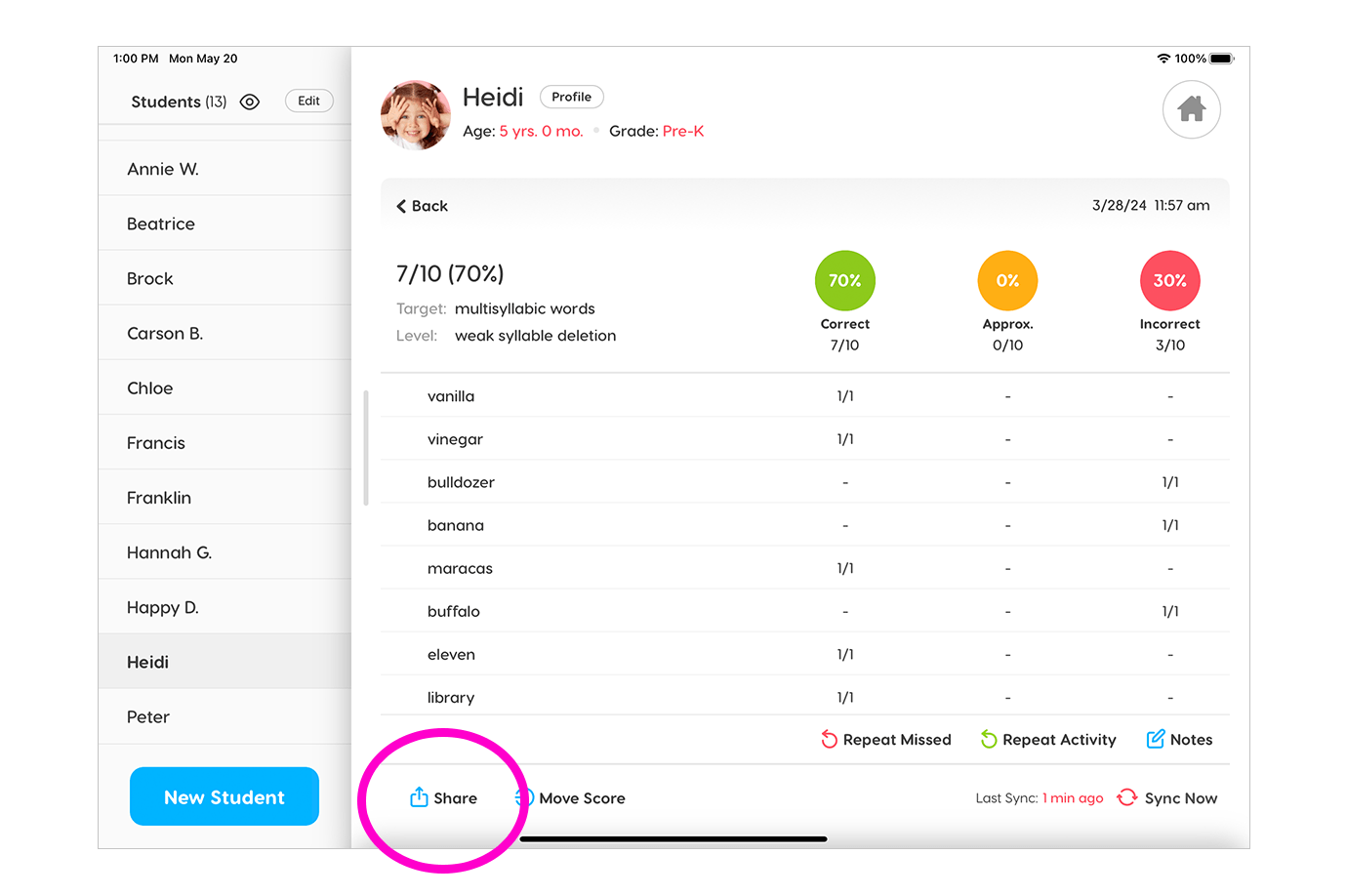
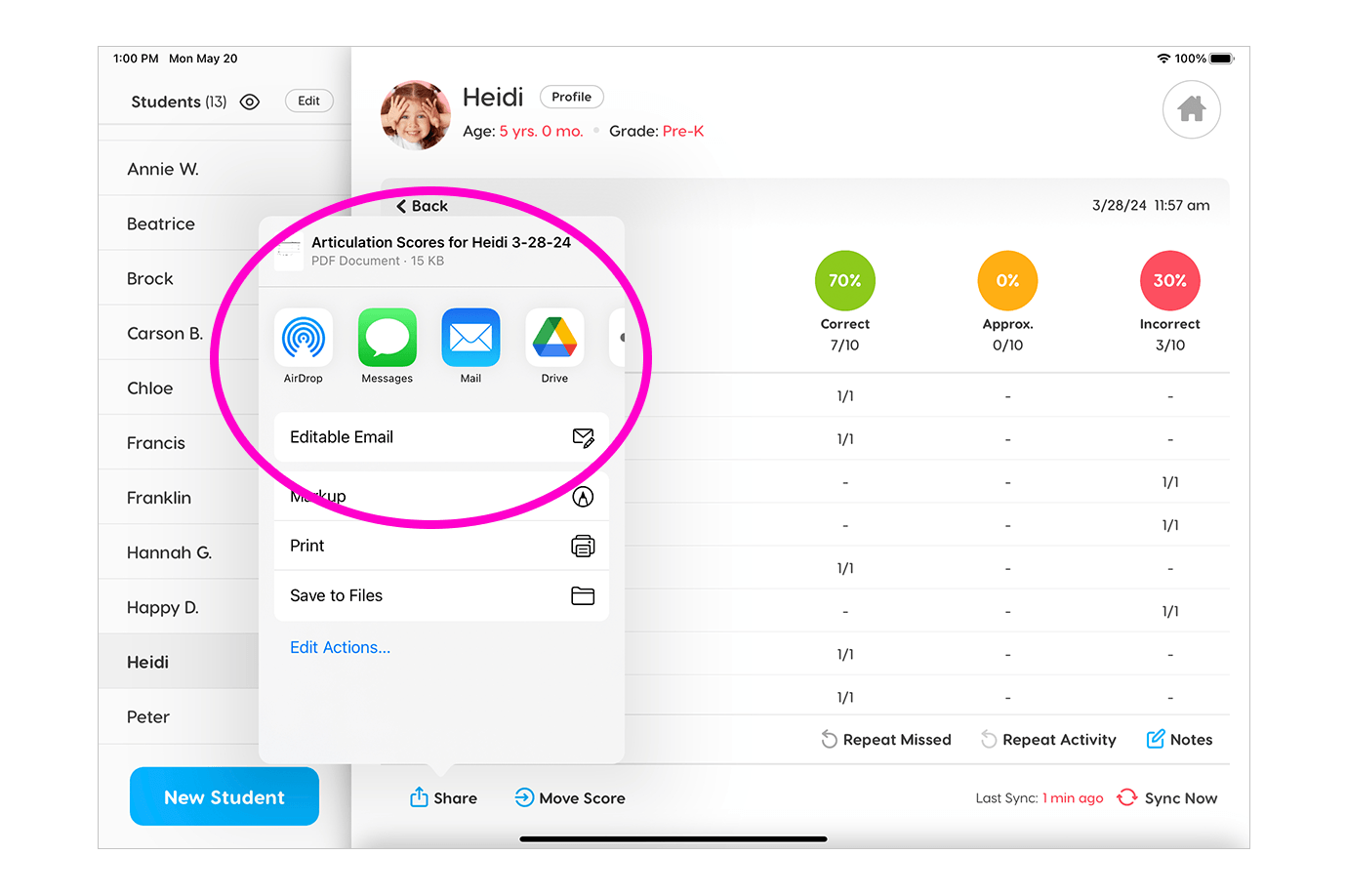
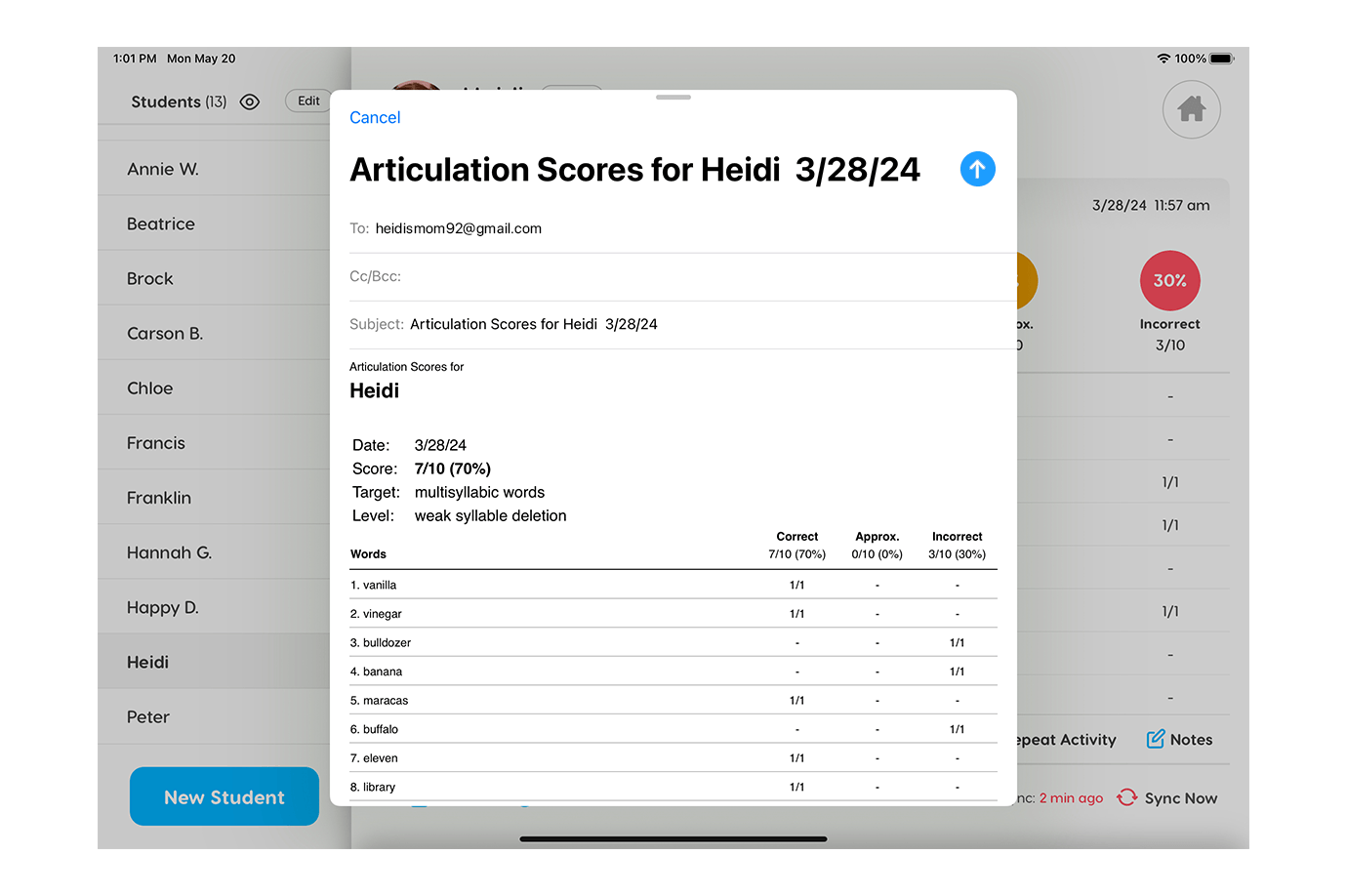
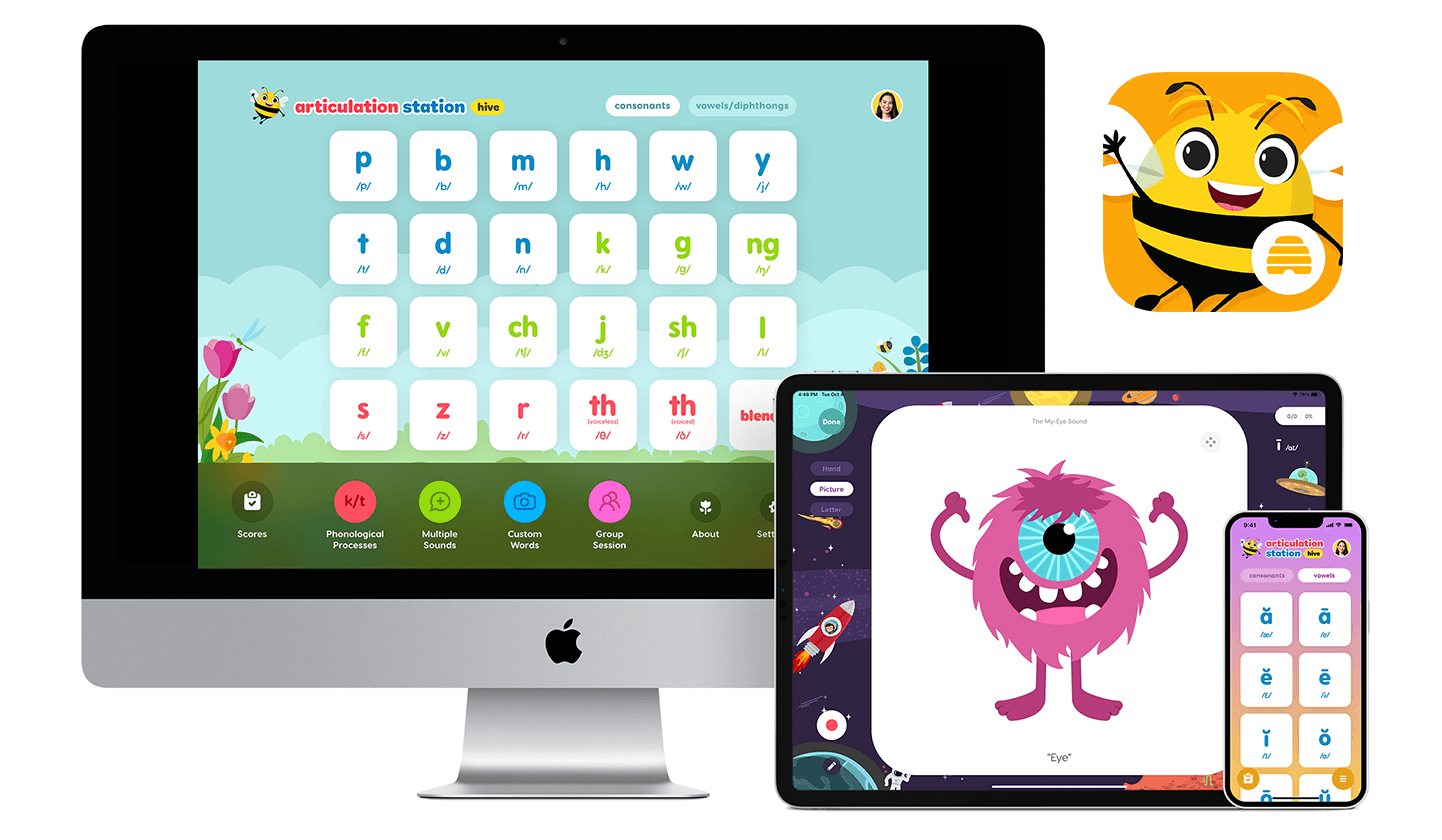
If you are an SLP that is using Articulation Station Hive… we’ve made the communication part easier for you. You can easily send data, notes and audio recordings from sessions directly to parents using email or the other sharing options available.
a. Open the scores screen inside Articulation Station Hive and tap the Share button
b. Select a sharing option on the pop up sheet.
c. If you select email, simply add the recipient’s email address and tap the blue send button. Tip: If the email is already added in the student profile it will populate here automatically.
4. Provide the parent with practical ways they can carryover their child’s therapy targets at home.
Consider their family’s unique needs and ask what kind of time they can dedicate to carrying over skills. Ideally, your suggestions would be something they can realistically implement on a day-to-day basis without adding more to their already full plate.
If you’re an SLP who is using Articulation Station Hive in therapy and parents have expressed interest in carrying over the use of Articulation Station Hive at home, we have good news…
We have a parent version of Articulation Station Hive. The parent tier pricing and details are below. Feel free to share with any parents that may be interested!

When we work together everyone wins!
When parents and SLPs can collaborate and have a meaningful partnership, the child can be more holistically supported, and their therapy outcomes improve.
When parents gain information and insight into what their child is working on and why, research shows they will play a more active role in therapy, feel more connected to their child and overall feel more confident in executing strategies.
When the SLP incorporates the parent’s perspective and insight, they may find new ways to motivate or connect with a child or discover a more effective system for targeting goals in therapy. The SLP will also be able to use what they’ve learned about the family’s routines, cultural factors, and existing systems to make recommendations for at-home practice.

Little Bee Hive Membership (Parent Tier)
$6.99/month (billed annually)
$9.99/month (billed monthly)
Includes:
• 14-day free trial
• Access to Articulation Station Hive
• 2 student limit
Does not include:
• Group sessions
• Data migration option
Articulation Station Hive can be downloaded from the Apple App Store on your iPad, iPhone or silicon Mac (includes all new Macs).
For all the details on what Articulation Station Hive offers check out the Little Bee Speech website.

About Chelsea: Chelsea is a licensed and certified Pediatric Speech-Language Pathologist (SLP) with more than 15 years of experience helping families. She has spent her career specializing in the development of early speech and language skills. Chelsea founded her website Play Talk Love as a way to help thousands of families successfully nurture and navigate their child’s speech and language development. She is currently working with Little Bee Speech as the social media/marketing coordinator and she is a proud wife and mom to two young children.
Sources:
https://crane.osu.edu/our-work/research-highlight-facilitating-parental-involvement-in-childrens-speech-therapy
https://www.asha.org/research/ebp/
https://www.theinformedslp.com/review/follow-the-yellow-brick-road
https://www.theinformedslp.com/review/carryover-goes-both-ways